ZT012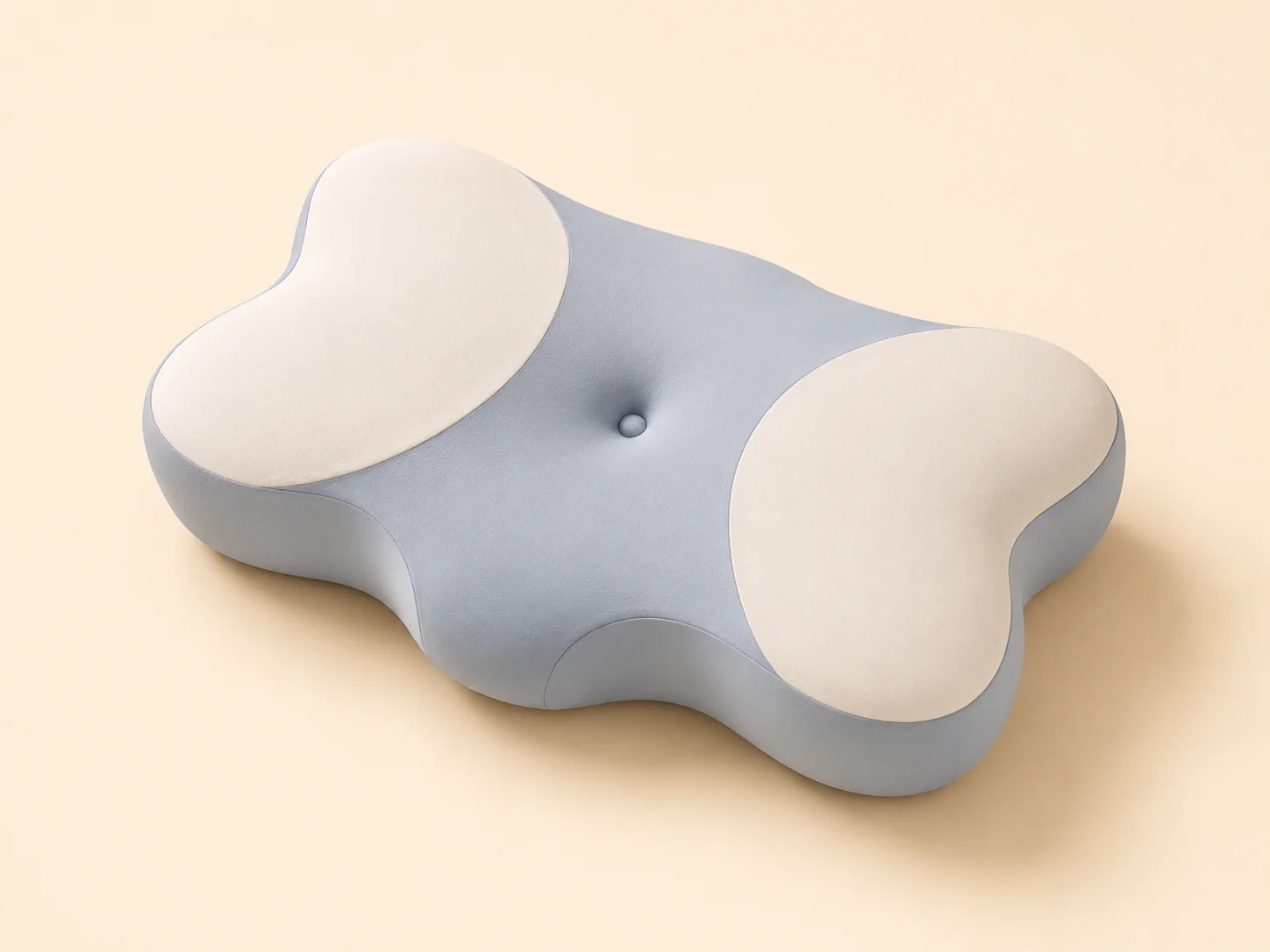
The butterfly contour is the most requested cervical shape in memory foam sourcing, and SensaRest runs seven production-ready butterfly platforms in-house — from low shoulder-fit and kids profiles to a 13.5 cm full-contour design. Pick the wing geometry that matches your market, then customize foam response, cover and packaging.
A brand should choose a butterfly memory foam pillow platform when it needs visible ergonomic differentiation and a structured fit story. Butterfly pillows use wings, a center cradle, neck-support zones and turning transitions to address posture, shoulder clearance and side-to-back movement. The platform is strongest when the buyer can define the target sleeper and fit boundary: low-profile kids, low cervical contour, shoulder-support wings, dual-height side-sleeper zones or a fuller premium contour. It is weaker when marketed as a universal cure or when the height is chosen only for appearance. SensaRest offers already-tooled butterfly platforms so brands can test the market with lower development risk, then customize foam response, cover touch, color, label and box. Each finished SKU should still be approved by physical sample, loaded-height review and claim-evidence check. This keeps ergonomic language connected to a verifiable product decision.
Every butterfly pillow shares the same idea — a central head cradle with raised side wings that support side sleeping and hand placement — but execution decides the product. Wing height controls the side-sleep fit, the center recess controls back-sleep comfort, and the transition between them decides how easily a combination sleeper turns over. Our seven platforms cover low shoulder-fit, dual-height, bionic airflow-groove, full-contour four-wing and dedicated kids geometries, so a buyer can match the shape to shoulder width and mattress firmness instead of forcing one silhouette on every market.
Because the platforms are already tooled, a first order can focus budget on differentiation: foam response, perforation, cooling or jacquard covers, embroidery and retail packaging. Samples are approved on measurable points — loaded heights of both zones, rebound, odor after sealed shipping, cover fit and recovery after vacuum compression — and comfort language stays separate from medical claims.
These phrases combine broad product discovery with the manufacturer, OEM, supplier, private-label and wholesale modifiers used by commercial buyers. They are grouped here by relevance—not repeated across unrelated pages—so each landing page can answer one clear sourcing task.
| How shoppers describe it | Butterfly pillow, contour pillow, cervical pillow and side sleeper pillow searches overlap around zoned support. |
|---|---|
| Fit-led product language | A shoulder-support or dual-height pillow should define wing height, center cradle and turning transition. |
| Platform language | An ergonomic memory foam pillow can start from a tooled butterfly platform, then vary feel, cover and packaging. |
| Sourcing language | Butterfly pillow manufacturer, OEM supplier, private-label factory and wholesale partner are commercial buying variants. |
Seven tooled butterfly geometries cover low, medium, tall, adjustable, airflow-groove and kids designs. Each can be private-labeled without funding a new mold on the first order.
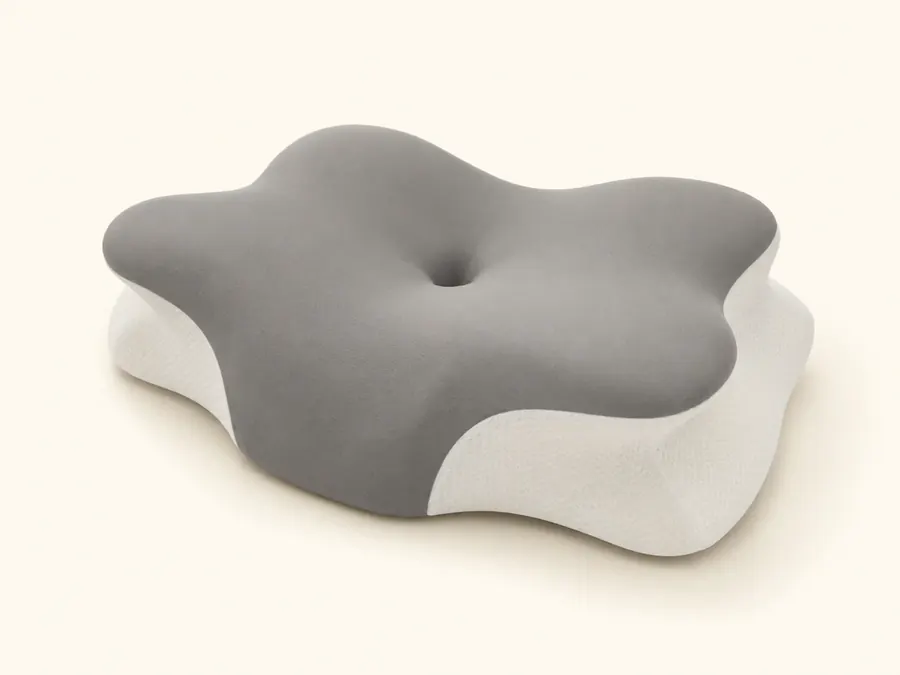
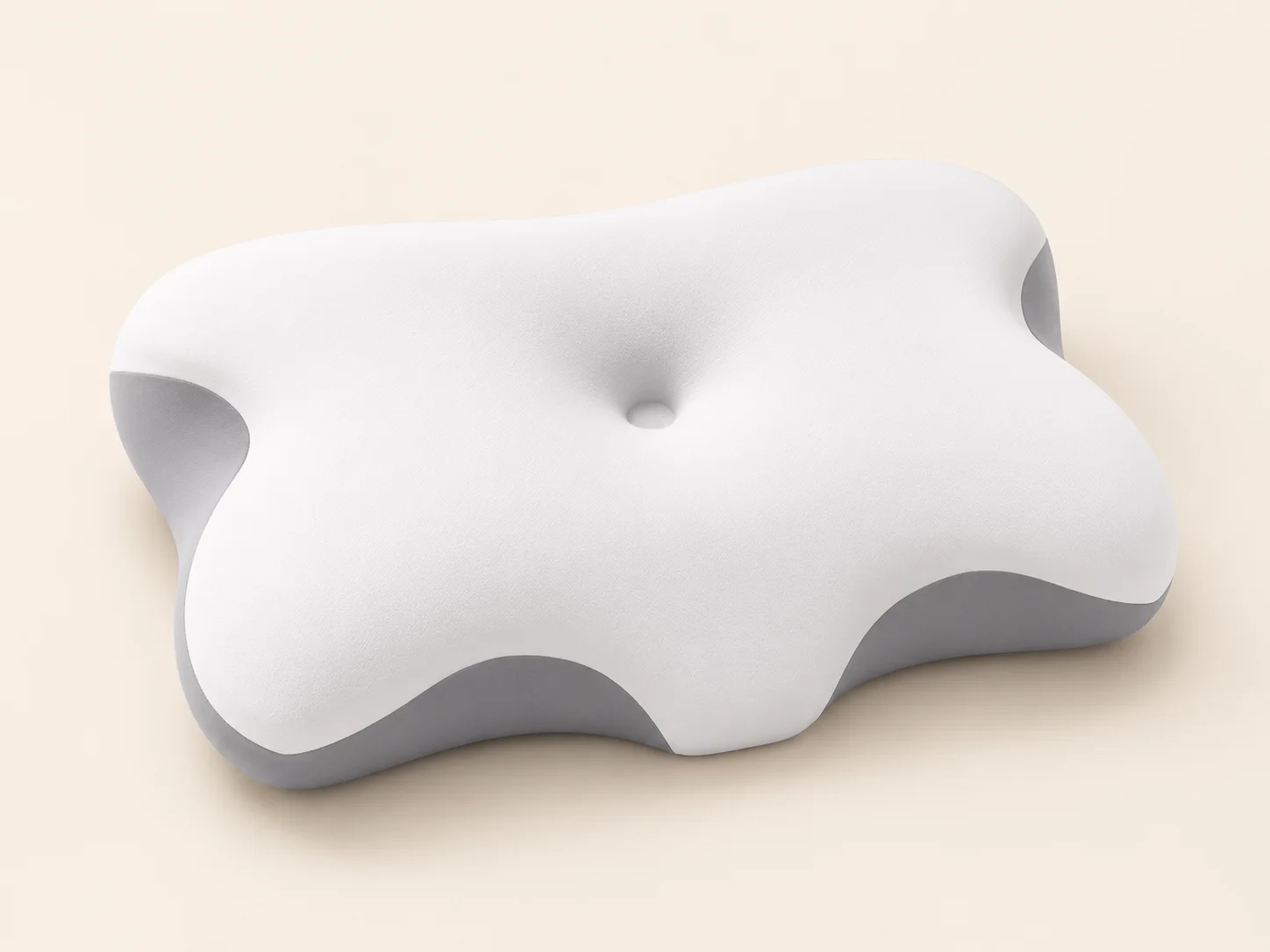
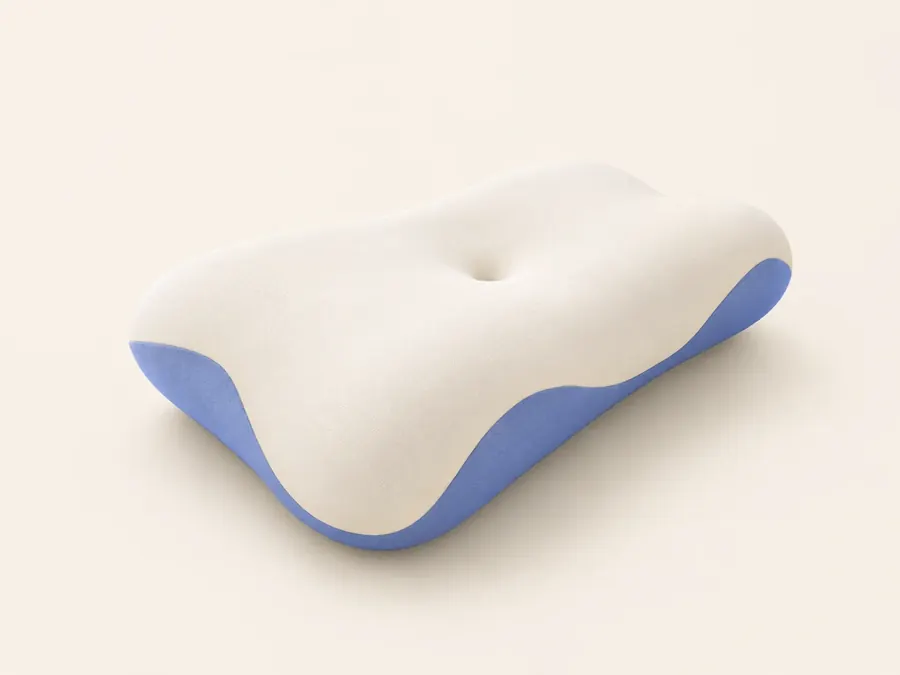
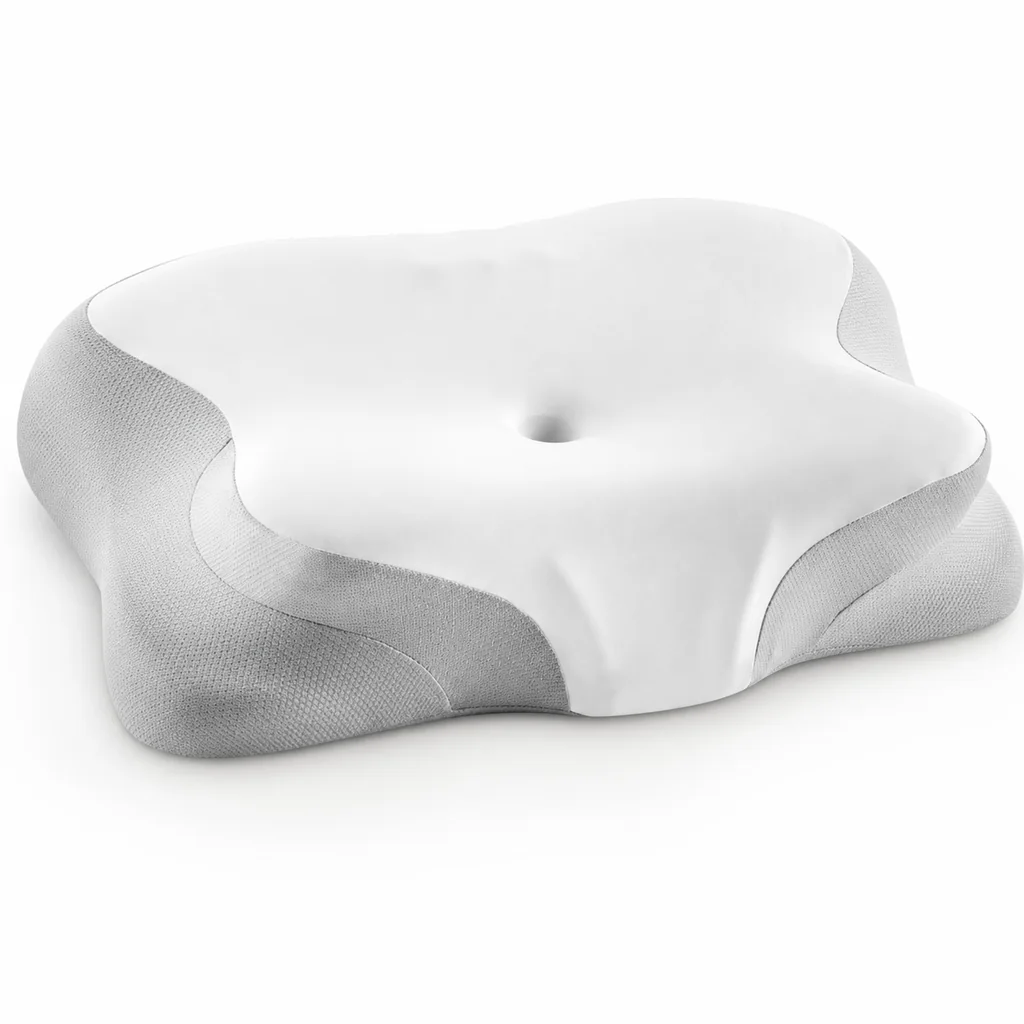
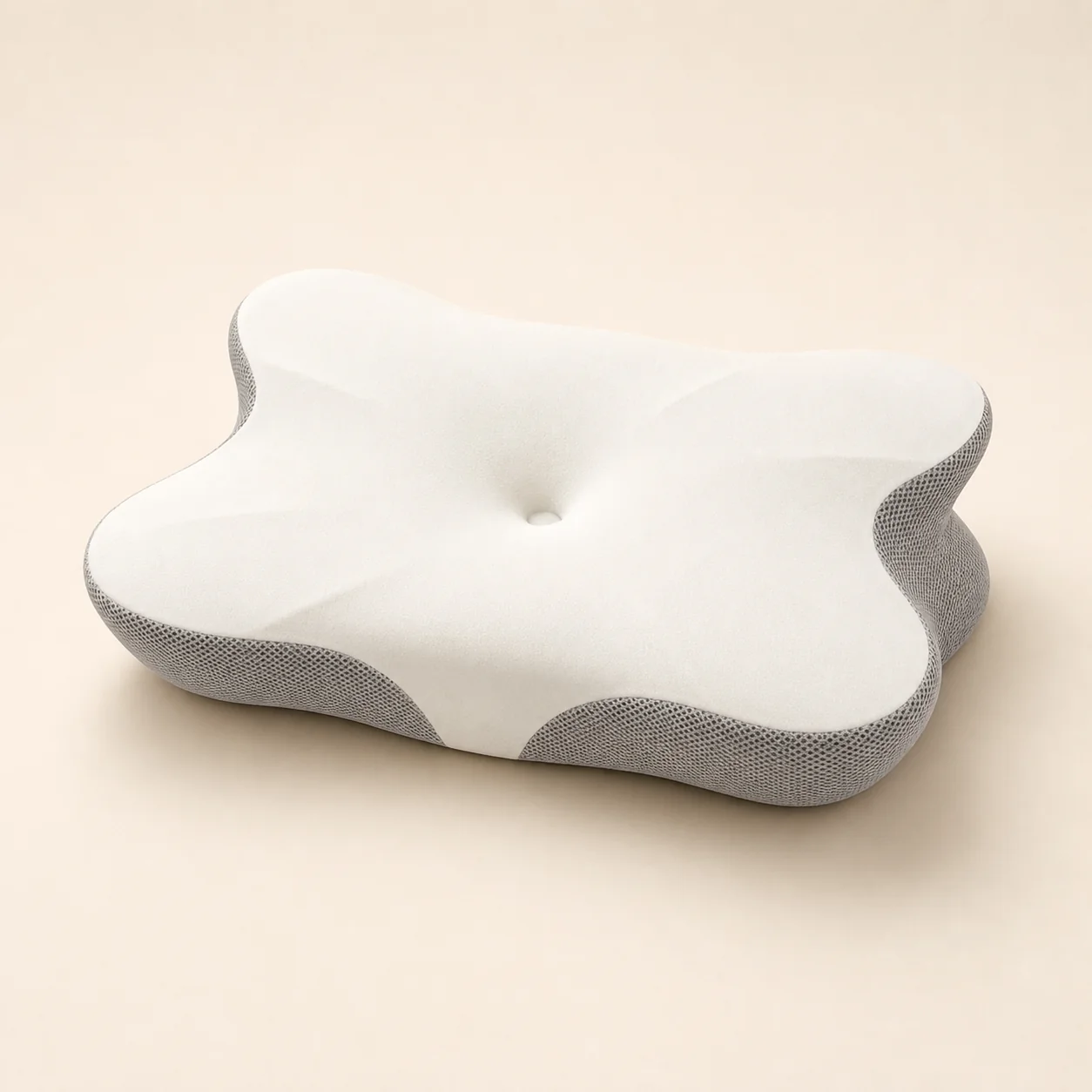
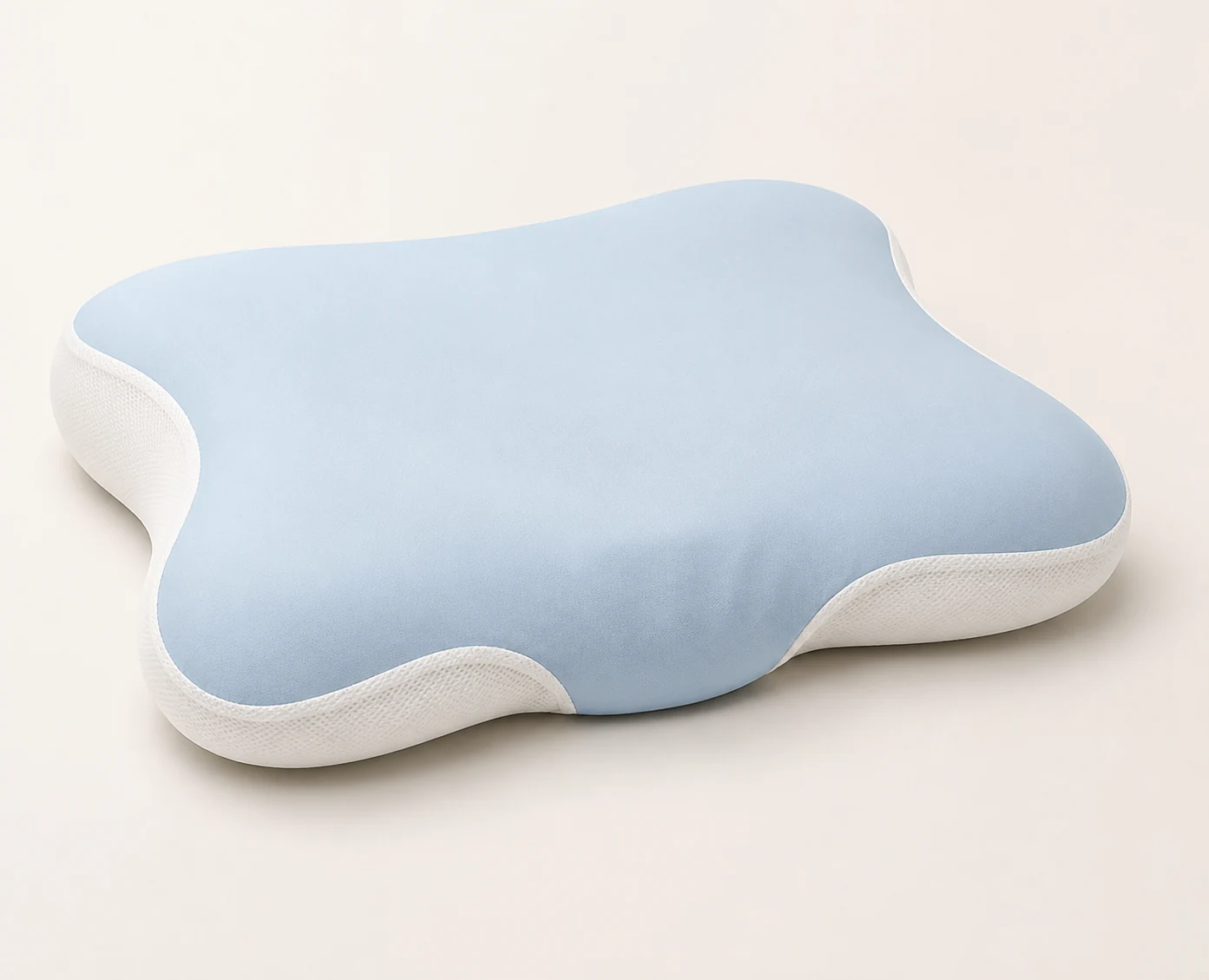
Samples should be approved against an agreed checklist. This keeps sales language, engineering decisions and production quality aligned.
| Wing geometry | Shoulder-fit, dual-height, bionic-groove, mortise-tenon, four-wing or kids contour |
|---|---|
| Height range | From a 5/7 cm kids profile up to a 13.5 cm full contour |
| Foam response | Q-bounce, slow-rebound or stacked dual-hardness combinations |
| Cover options | Ice-silk nylon, jacquard, bubble knit or specified cooling fabrics |
| Validation | Loaded height of both zones, rebound, odor, cover fit and compression recovery |
Broad-shouldered side-sleeper markets need taller wing zones; back-sleep-first markets need a lower center cradle. Pick the platform from the sleeper, not the photo.
A dual-height platform serves mixed markets with one SKU; a fixed tall profile like 13.5 cm targets buyers who explicitly want strong support.
The molded core is shared tooling; fabric, color, embroidery and packaging are where a private-label butterfly pillow visibly differs on the shelf.
Combination sleepers judge a butterfly pillow by how the transition zone feels when turning over. Include turn-over checks in sample approval.
Send your target market, posture or use case, preferred feel and quantity. We will recommend a platform and prepare a customized sample, usually within five working days.