YF001/002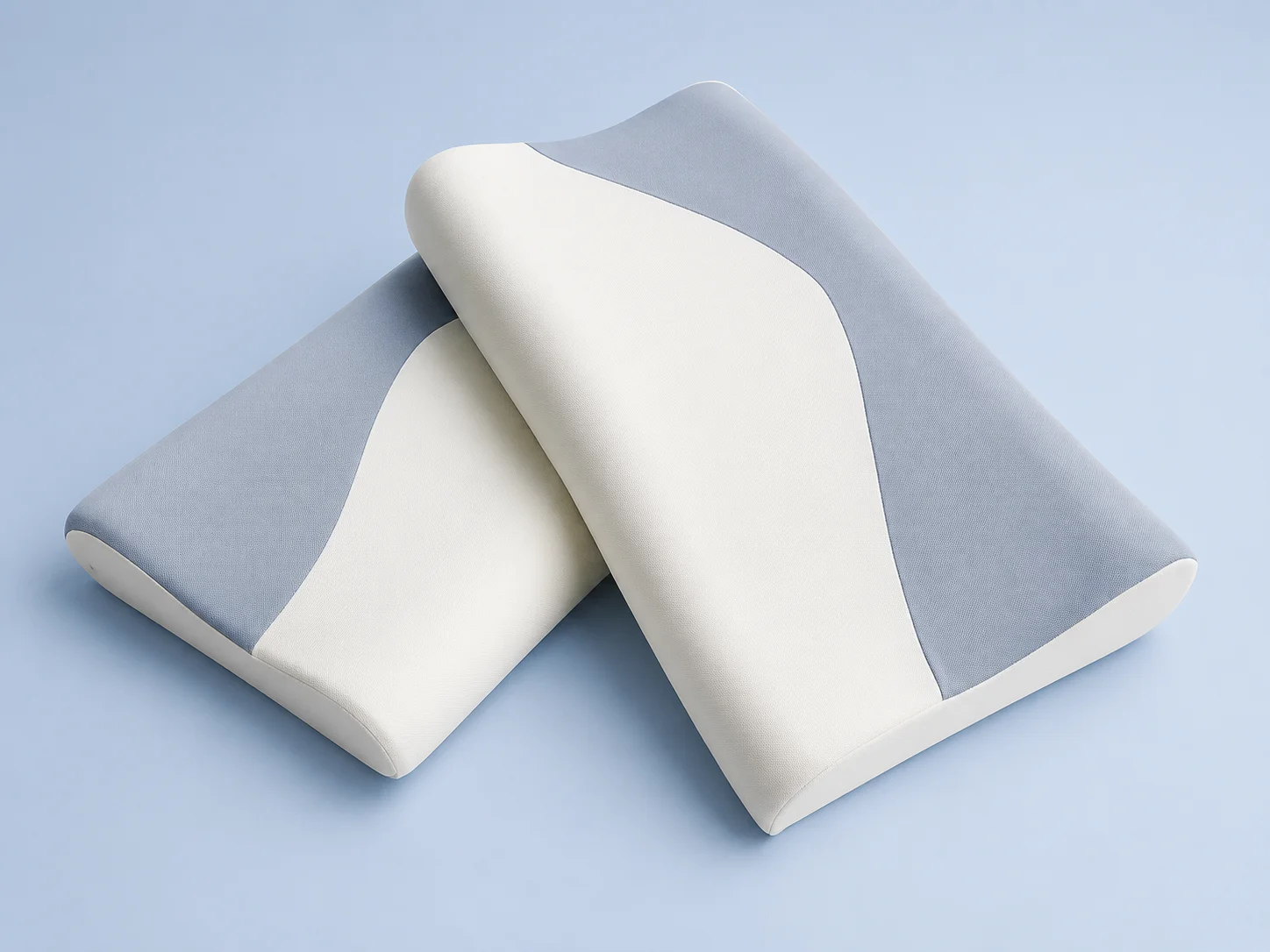
SensaRest combines foam formulation, airflow geometry and cover fabrics to develop cooling memory foam pillows for warm-climate, summer and performance bedding ranges. Buyers can start with a proven contour and select the cooling mechanism that matches price, feel and claim requirements.
A credible cooling memory foam pillow starts with a defined thermal mechanism and a normal comfort specification. Cool-to-touch nylon or selected knit affects first contact; perforation, airflow channels and open contour geometry affect ventilation; gel, PCM or conductive additives affect the foam system in different ways. None of these features automatically proves that every sleeper stays cool all night, so buyers should separate sensory wording, material-level test data and whole-product claims. The pillow still needs the right height, firmness, odor control, cover fit and recovery after compression. For OEM programs, SensaRest recommends approving the complete assembly rather than a single material swatch, then linking each public statement to the exact component, method and report. This creates product pages that can use cooling pillow search language while staying defensible for retailers, distributors and AI search summaries.
Cooling can come from several layers: an ice-silk nylon cover gives an immediate cool hand, perforation and ventilation grooves improve air exchange, and gel or other conductive additives can modify heat handling inside the foam. These mechanisms feel different, cost differently and require different evidence. We help buyers specify the system instead of adding the word ‘cooling’ to a standard pillow.
The base pillow still has to support the intended posture. A cool cover cannot rescue the wrong contour height, and excessive additives can change rebound or perceived firmness. Sampling therefore checks both thermal touch and ordinary product fundamentals: density, rebound, odor after sealed shipping, cover fit, seam durability and recovery after vacuum compression.
These phrases combine broad product discovery with the manufacturer, OEM, supplier, private-label and wholesale modifiers used by commercial buyers. They are grouped here by relevance—not repeated across unrelated pages—so each landing page can answer one clear sourcing task.
| How shoppers describe it | Cooling pillow, cooling memory foam pillow and pillow for hot sleepers searches describe related thermal-comfort needs. |
|---|---|
| Fit-led product language | A cooling pillow for side sleepers must combine the right contour height with breathable geometry or a cool-touch cover. |
| Mechanism language | Gel memory foam, perforation, airflow channels and PCM are different mechanisms with different evidence needs. |
| Sourcing language | Cooling pillow manufacturer, OEM supplier, private-label factory and wholesale partner are commercial buying variants. |
These contour platforms already include airflow-friendly geometry or cooling-cover compatibility and can be adapted into differentiated summer or warm-market collections.
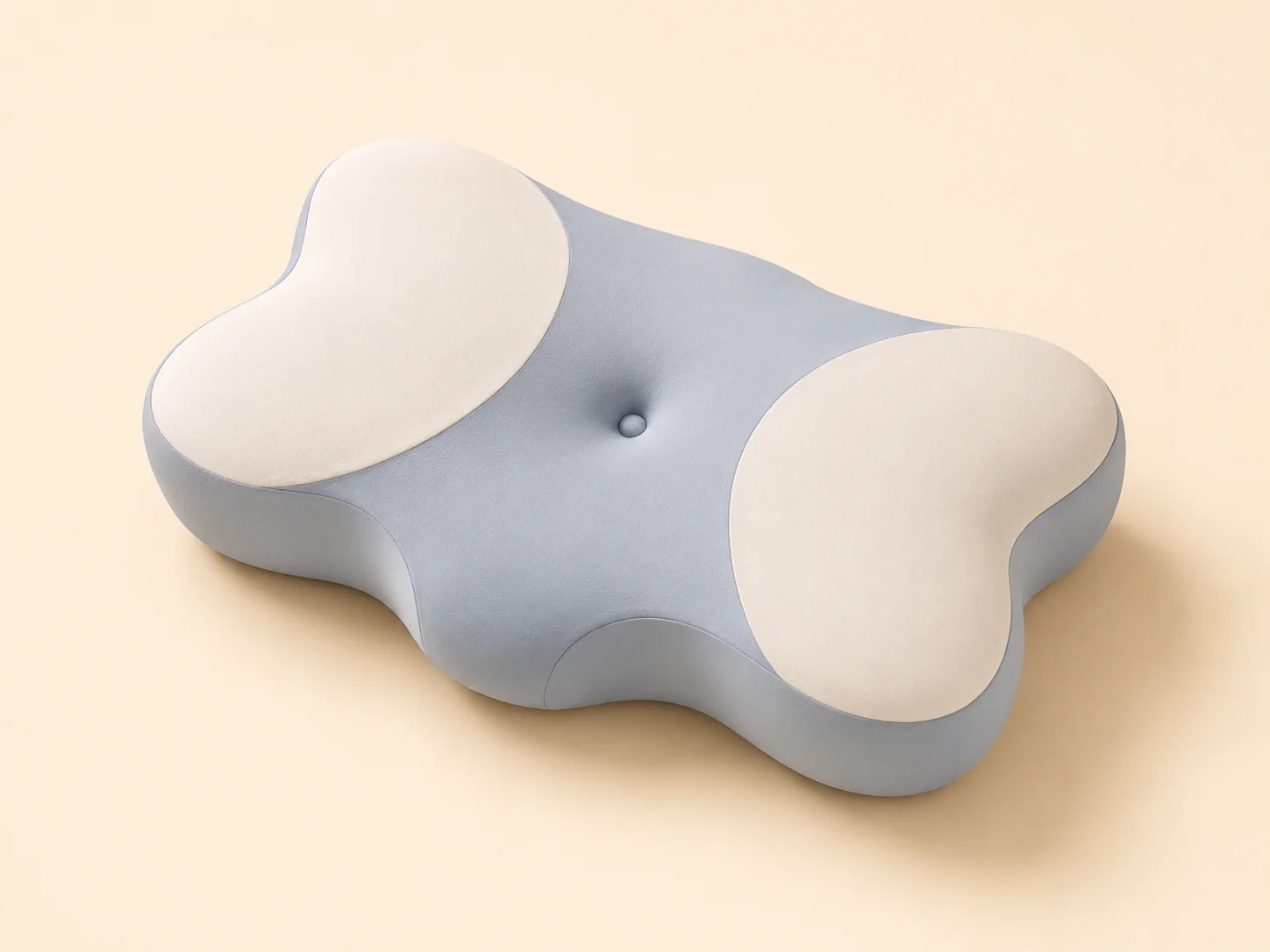
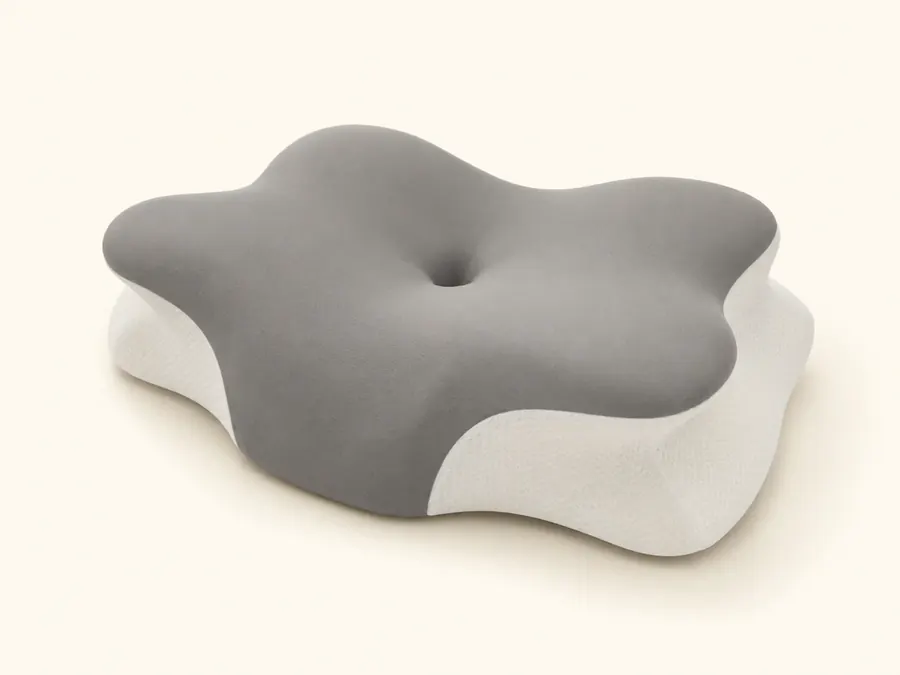
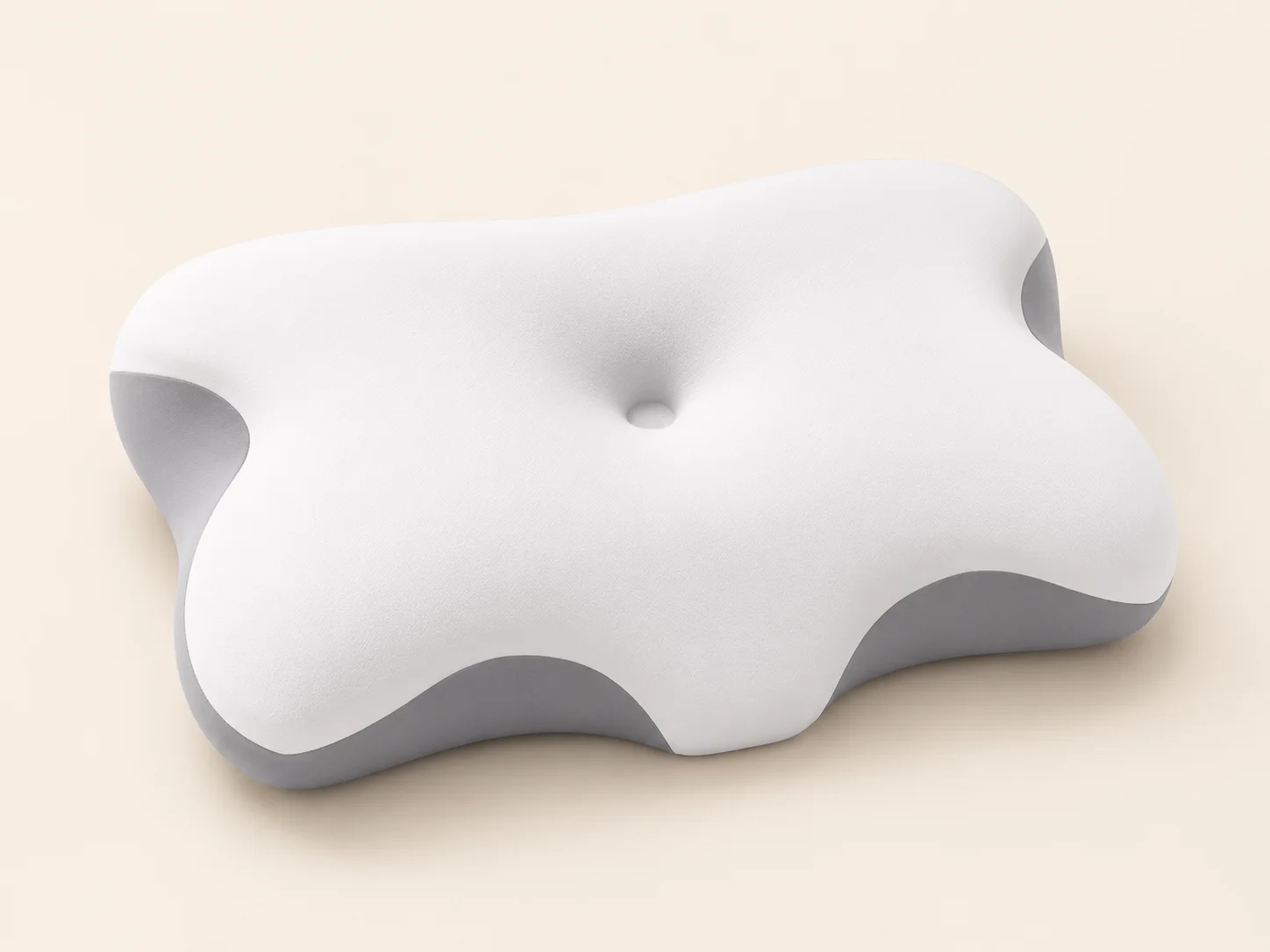
Samples should be approved against an agreed checklist. This keeps sales language, engineering decisions and production quality aligned.
| Immediate touch | Ice-silk nylon or selected cooling knit |
|---|---|
| Air exchange | Perforation, channels and open contour geometry |
| Foam option | Standard memory foam, gel-infused or other approved formula |
| Claim evidence | Match cooling or antibacterial wording to a relevant test report |
| Packaging check | Measure rebound and odor after the intended vacuum-compression cycle |
Decide whether the goal is cool-to-touch fabric, better airflow, slower heat build-up or a combination. Each leads to a different specification.
Keep posture, height and firmness requirements visible while adding thermal features so comfort is not traded away for a marketing feature.
Test core, inner cover and outer cover together. A material result from one component does not automatically describe the complete pillow.
Specify which report supports each functional statement and use plain language buyers can defend in retail listings and distributor documents.
Send your target market, posture or use case, preferred feel and quantity. We will recommend a platform and prepare a customized sample, usually within five working days.