YK003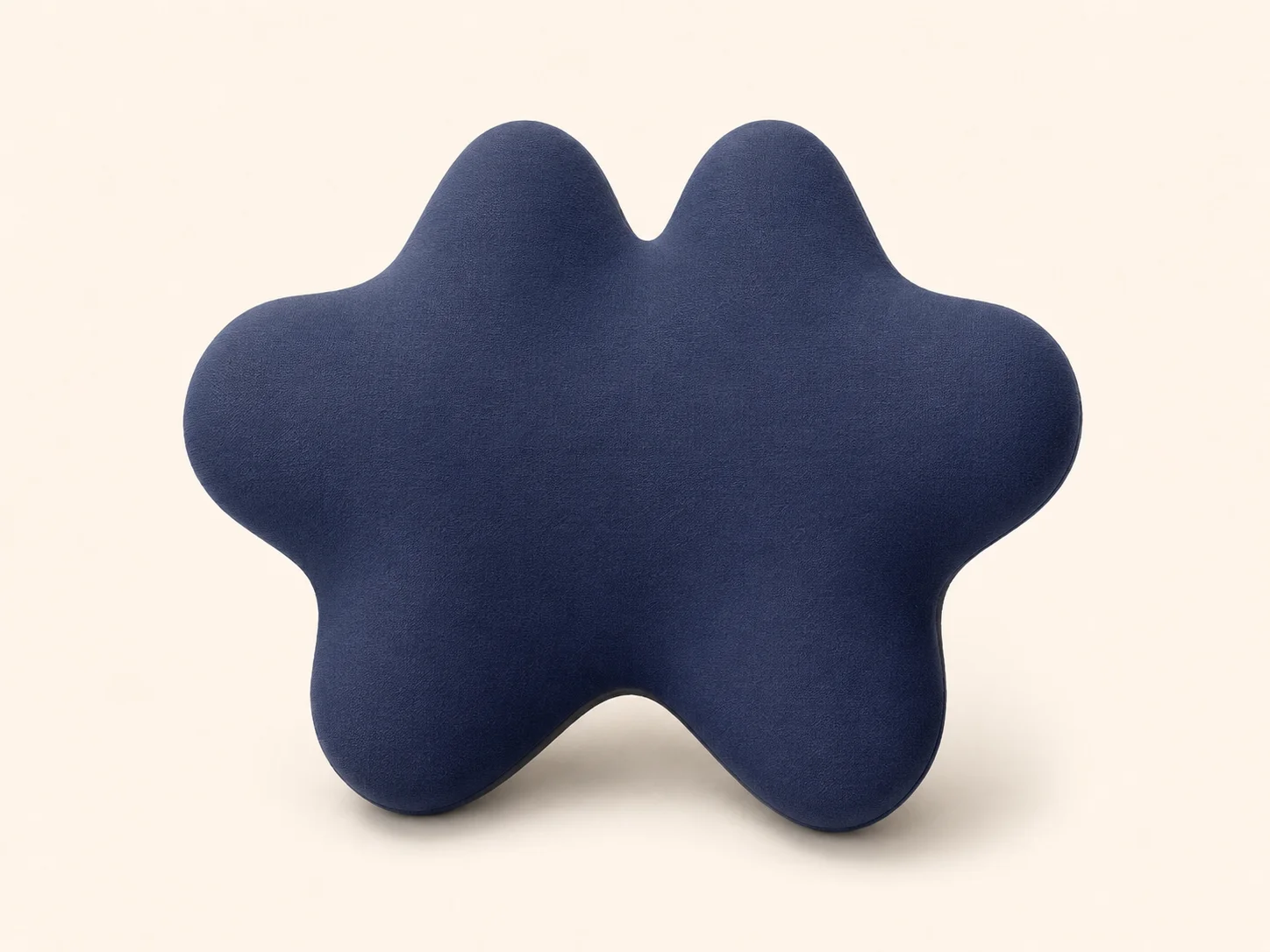
SensaRest manufactures memory foam lumbar support cushions for office seating, vehicles, sofas, maternity support and multipurpose comfort ranges. Select a proven wing, ridge or cat-paw platform, then tune thickness, rebound, straps, cover and packaging.
A reliable OEM lumbar support cushion is defined by the seat environment as much as by the human back. Office chairs, car seats, sofas and maternity-support use cases have different backrest angles, seat depths, upholstery friction and daily routines. The specification should therefore include target seat photos or dimensions, cushion thickness under load, wing span, central ridge or spine-channel geometry, strap range, buckle position, anti-slip treatment, cover fabric and wash route. A cushion that feels supportive on a table can push the user too far forward on a shallow chair or drift on a tapered car seat. For B2B programs, SensaRest keeps claims in the comfort and posture-support category, then validates the exact sample for compression recovery, seam loading, zipper durability and strap stability before the buyer approves private-label packaging. The goal is a fitted seating system, not a loose accessory.
A lumbar cushion interacts with chair depth, backrest angle and the user’s sitting routine. A thick cushion may feel supportive yet push a user too far forward on a shallow seat; a narrow ridge may fit one chair but drift on another. We start by defining the intended seat environment, user range and duration of use, then select the wing span, central ridge and foam response.
Commercial programs also need reliable attachment and maintenance. Strap position, buckle reach, anti-slip treatment, zipper access and cover durability are reviewed with the core. Multipurpose designs can move between office, car and sofa, while more focused platforms can emphasize a broad lower-back contact area or a raised central spine channel. All wording remains in the comfort and posture-support category rather than medical treatment.
These phrases combine broad product discovery with the manufacturer, OEM, supplier, private-label and wholesale modifiers used by commercial buyers. They are grouped here by relevance—not repeated across unrelated pages—so each landing page can answer one clear sourcing task.
| How shoppers describe it | Lumbar support pillow, back support pillow and lumbar cushion searches describe seated lower-back comfort. |
|---|---|
| Use-case language | Office chair lumbar support, memory foam back cushion and car lumbar support pillow require different fit and strap briefs. |
| Validation language | Seat shape, working height, strap position, cover grip and rebound should be checked in the intended chair or vehicle. |
| Sourcing language | Lumbar support manufacturer, OEM supplier, private-label factory and wholesale partner are commercial buying variants. |
Three platforms cover broad S-curve wings, a playful multipurpose cushion and a classic raised spine ridge for office, vehicle and home programs.
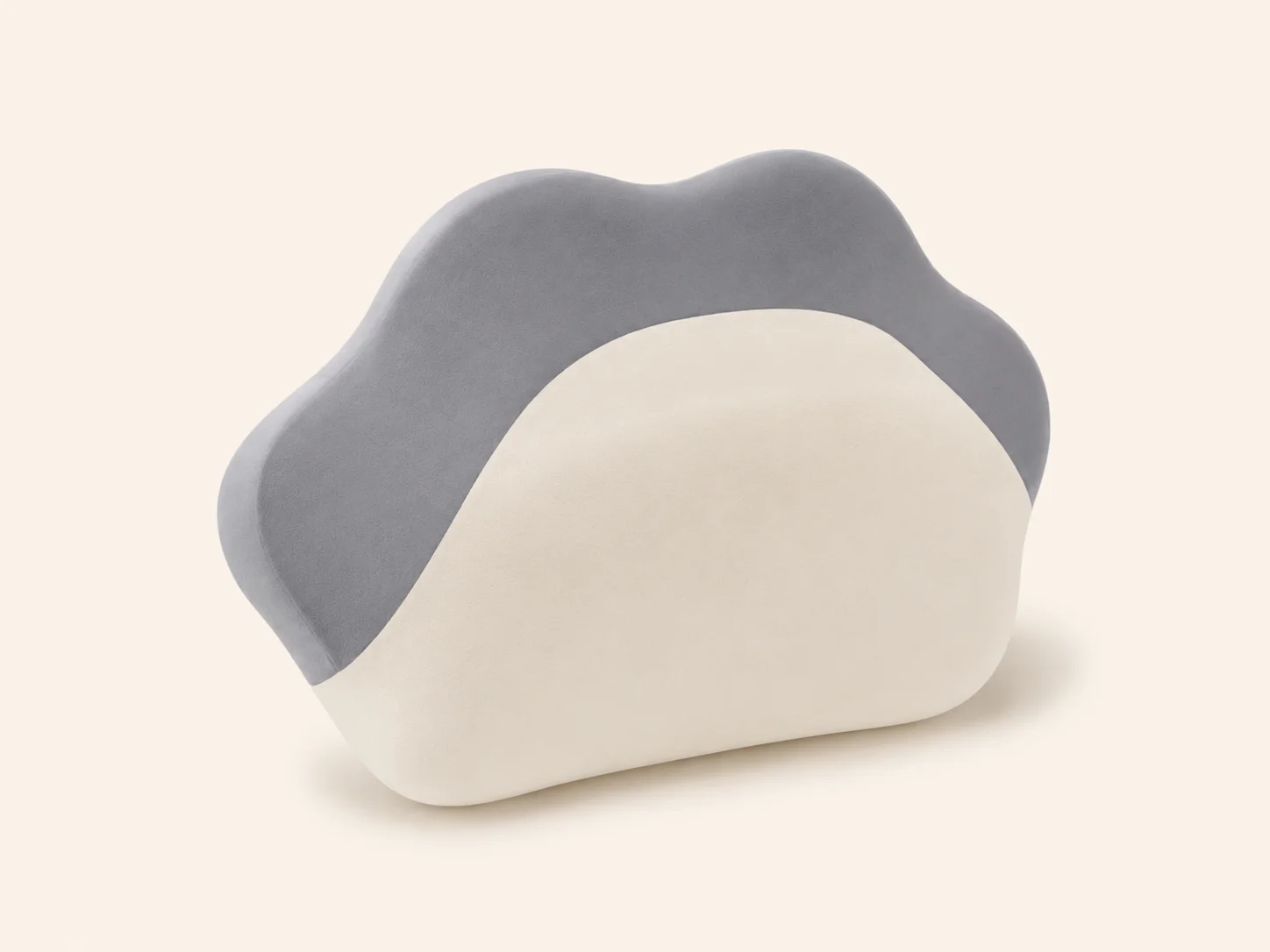
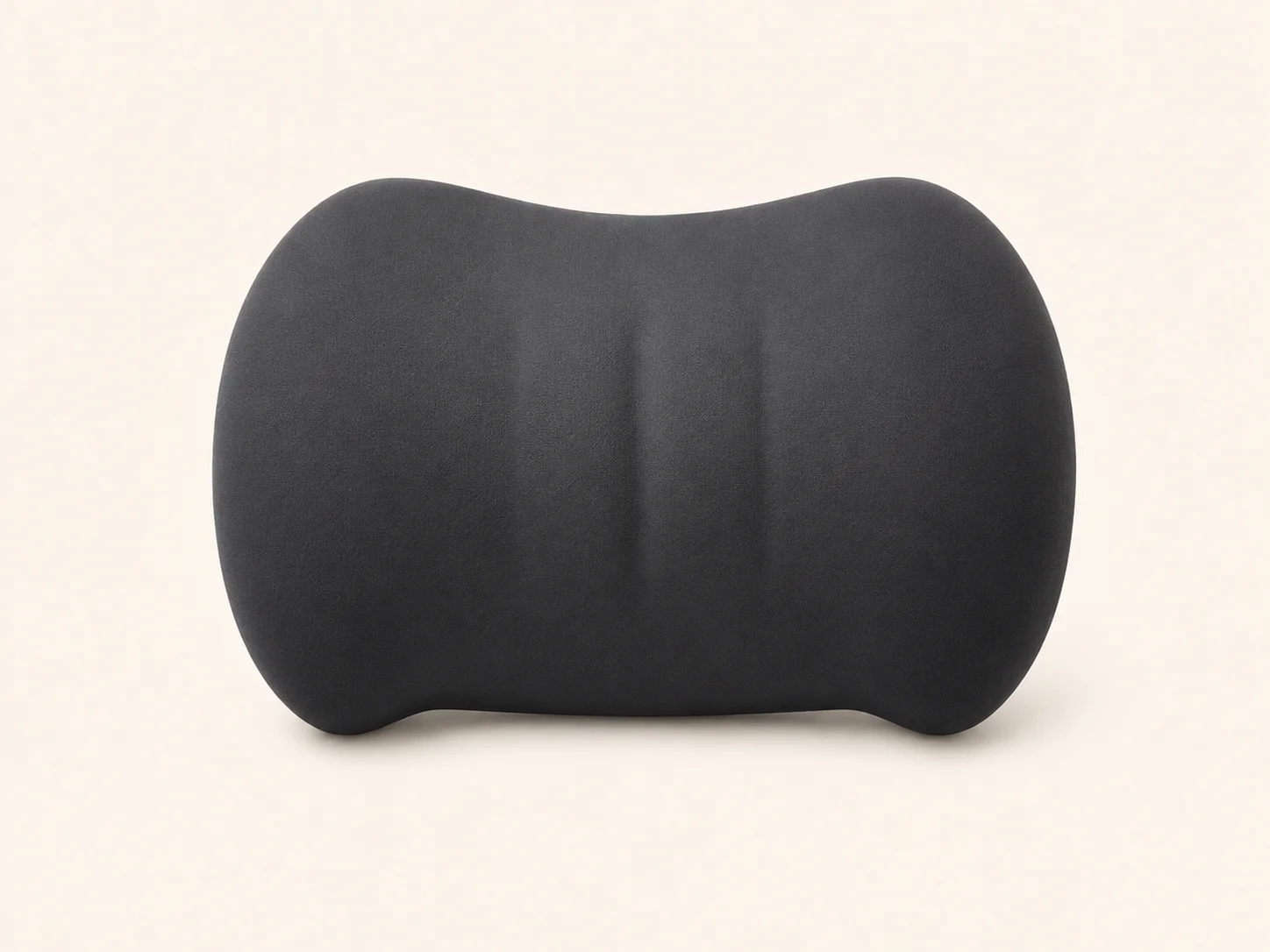
Samples should be approved against an agreed checklist. This keeps sales language, engineering decisions and production quality aligned.
| Seat environment | Office chair, vehicle, sofa, bed or multipurpose |
|---|---|
| Support geometry | Dual wings, central ridge, spine channel or broad contact surface |
| Foam response | Slow-rebound contouring or Q-bounce support |
| Attachment | Single or adjustable strap, buckle reach and anti-slip option |
| Durability check | Compression recovery, seam loading, zipper and strap-cycle review |
Provide seat depth, backrest width and angle or representative chair photos. This prevents a cushion that fits the body but not the furniture.
Approve thickness under load so the cushion supports the lower back without consuming too much usable seat depth.
Check strap range, buckle position and sliding on the intended upholstery, especially for tapered car seats and mesh office chairs.
Choose a removable washable cover and make zipper access easy enough for ordinary users, hotels or fleet programs.
Send your target market, posture or use case, preferred feel and quantity. We will recommend a platform and prepare a customized sample, usually within five working days.