ZT012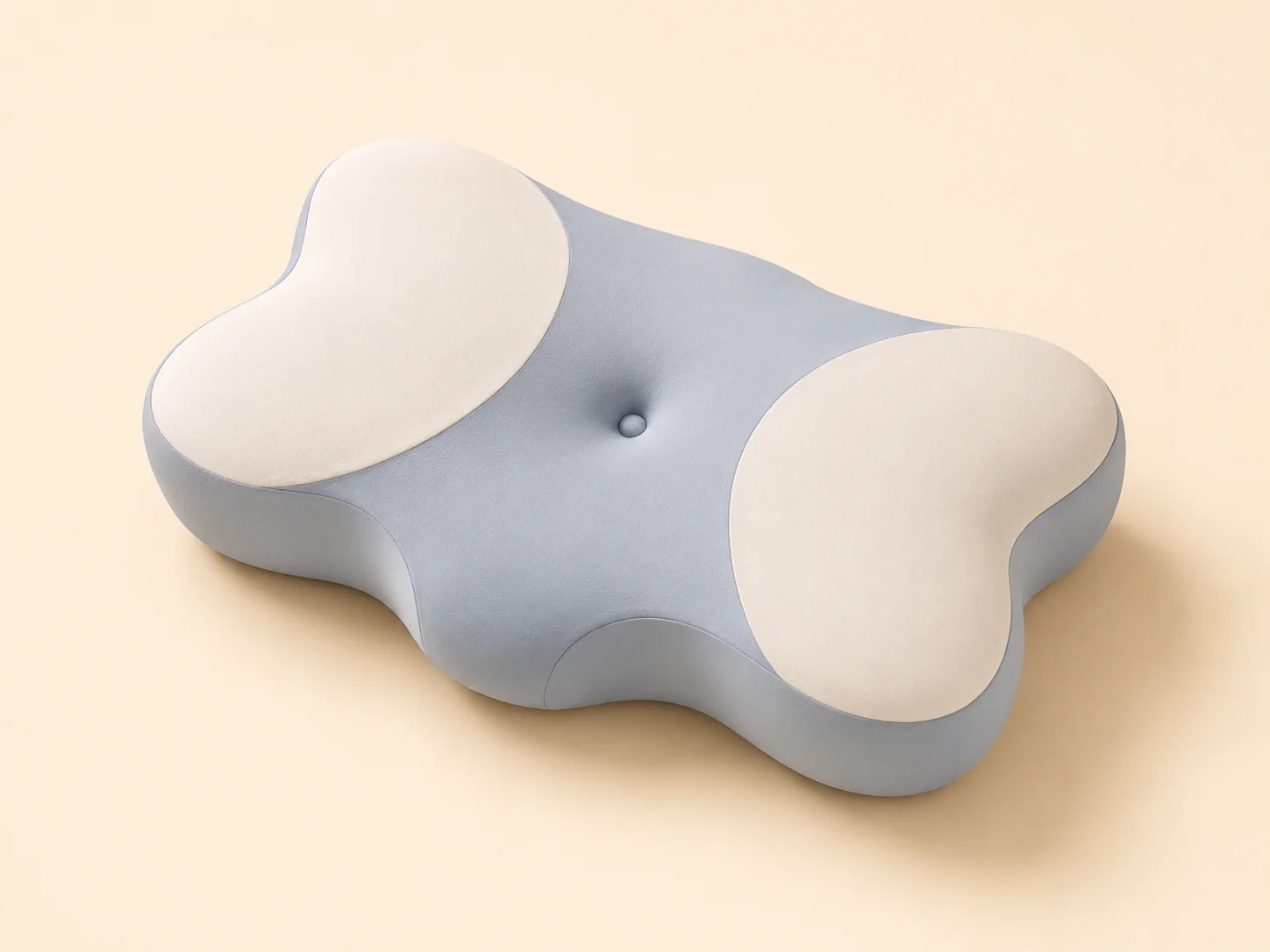
SensaRest manufactures ergonomic memory foam pillows on tooled contour platforms — cervical cradles, butterfly wings, dual-height zones and adjustable cores. Every design is validated against loaded height, shoulder fit and turning comfort before it reaches a brand's catalog, so the ergonomic story matches what the customer actually feels.
A credible ergonomic pillow manufacturer connects shape claims to measurable fit decisions. The right contour is decided by the target sleeper, shoulder width, mattress firmness and sleep position mix — not by how sculpted the pillow looks. SensaRest runs tooled platforms covering low cervical cradles, side-sleeper wings, dual-height zones for mixed markets, adjustable mortise-tenon layers and a full 13.5 cm contour, so a buyer can select a geometry that matches the market instead of commissioning a new mold on a guess. Each platform is approved on loaded height under representative head weight, rebound, odor after sealed shipping, cover fit and recovery after vacuum compression. Comfort and posture-support language stays separate from medical claims, and the frozen specification keeps every reorder identical to the approved sample.
Ergonomic design fails at the edges: a side sleeper whose shoulder gap is not filled, a back sleeper whose chin is pushed up, a combination sleeper who fights the transition between zones. SensaRest's platforms map those edges first — wing height, cradle depth, zone transition and loaded height — so the sample review asks measurable questions instead of asking whether the pillow feels nice.
Height mismatch drives more returns than any other pillow complaint, which is why adjustable and dual-height structures exist in the range. One SKU can serve several sleeper segments, and a user who starts on the wrong height can correct it instead of returning the product. For brands, that converts fit risk into a product feature.
These phrases combine broad product discovery with the manufacturer, OEM, supplier, private-label and wholesale modifiers used by commercial buyers. They are grouped here by relevance—not repeated across unrelated pages—so each landing page can answer one clear sourcing task.
| Fit intent | Ergonomic pillow, orthopedic pillow and posture pillow searches overlap around neck and shoulder fit. |
|---|---|
| Design language | Contour zones, cervical cradle, shoulder wings and dual-height options describe measurable geometry. |
| Validation language | Loaded height, shoulder gap and turning comfort are the sample-room checks behind ergonomic claims. |
| Sourcing language | Ergonomic pillow manufacturer, OEM supplier, private-label factory and wholesale partner are commercial variants. |
Five tooled ergonomic geometries from 5/7 cm low profiles to a 13.5 cm full contour, covering back, side and combination sleepers with one supplier.
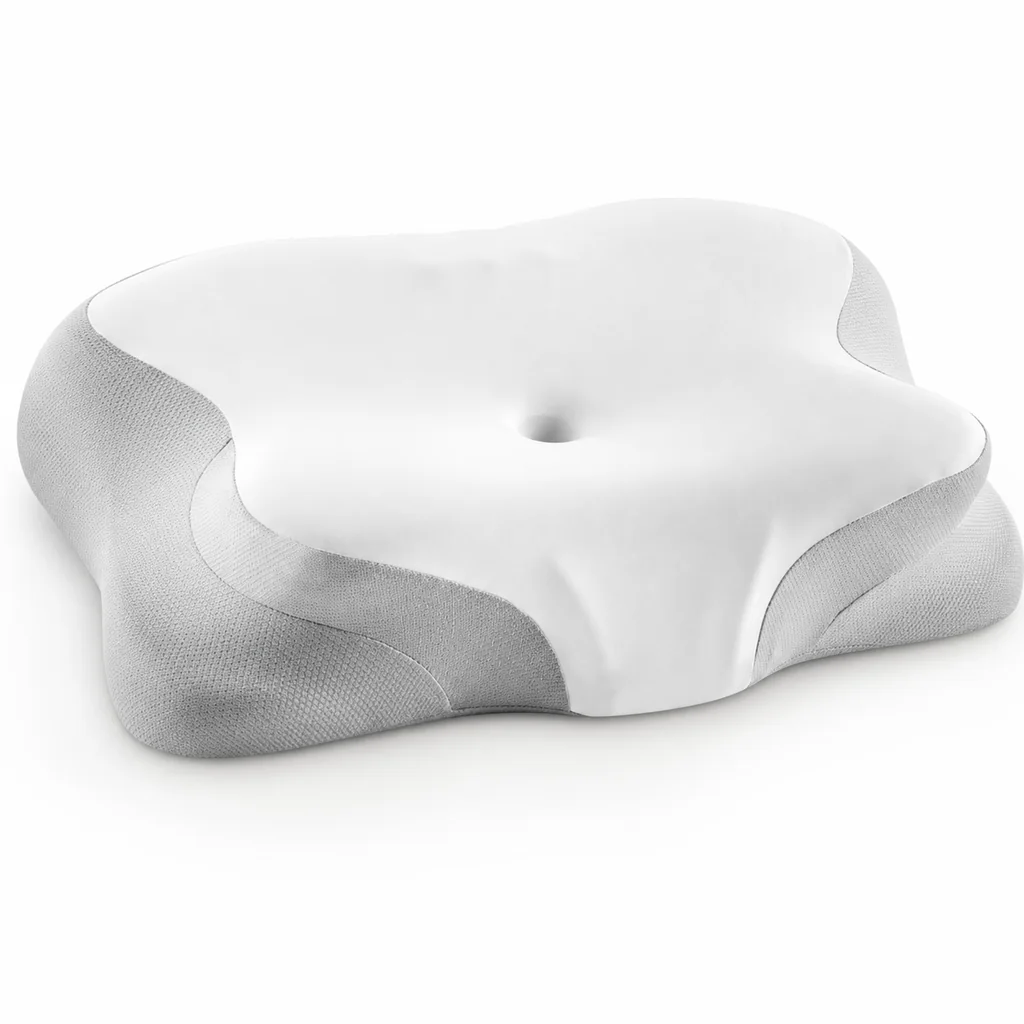
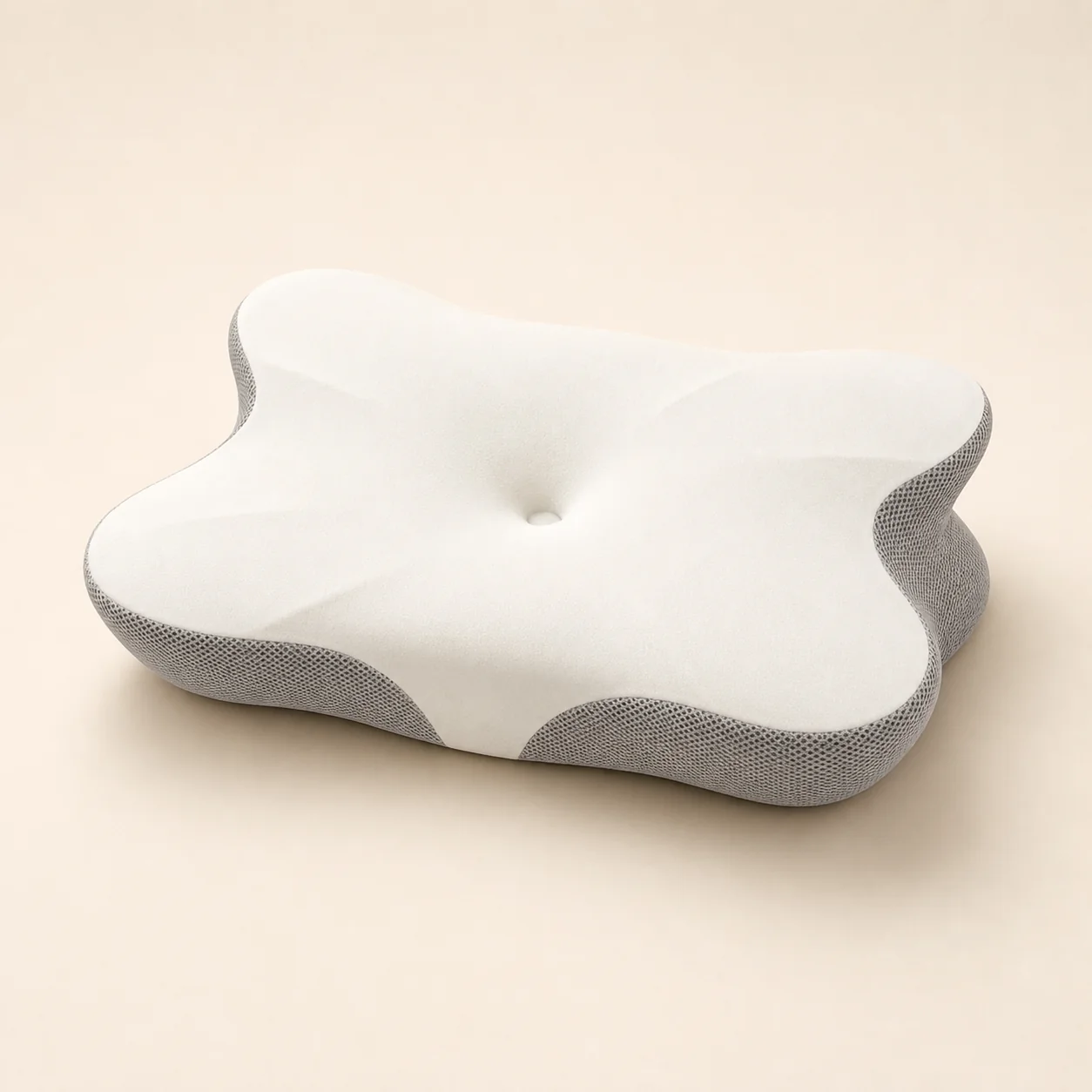
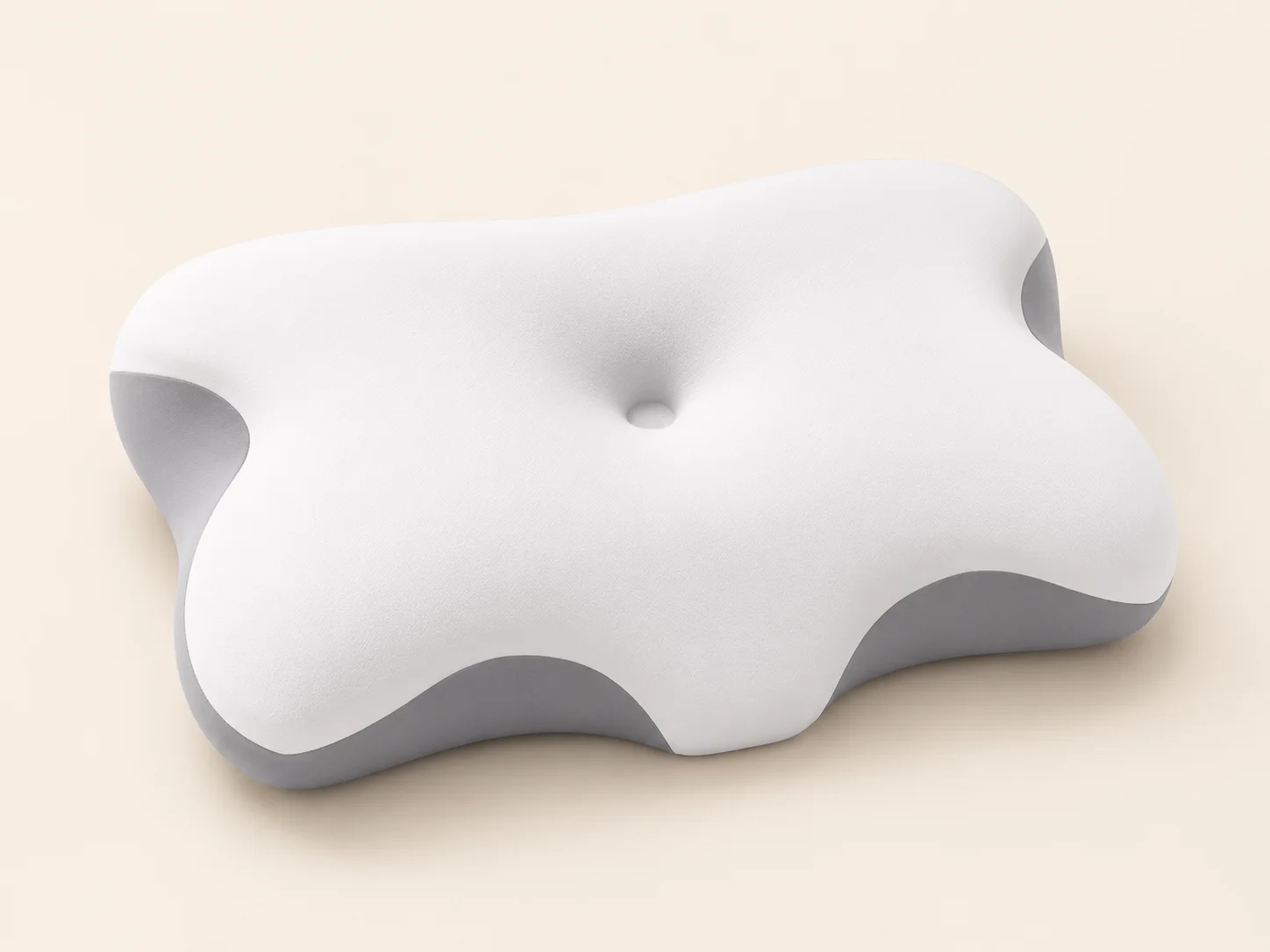
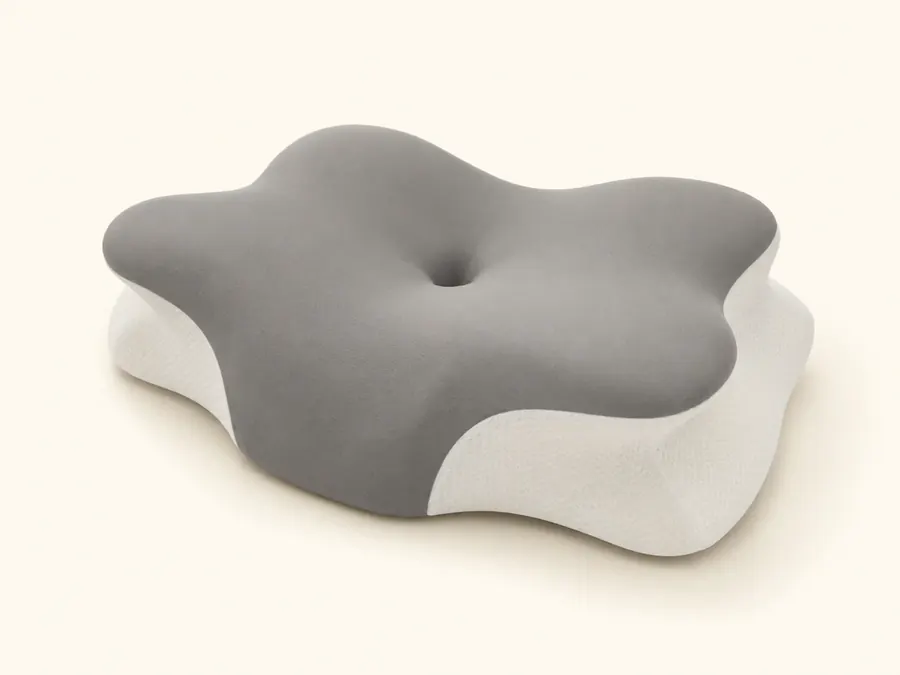
Samples should be approved against an agreed checklist. This keeps sales language, engineering decisions and production quality aligned.
| Sleeper mapping | Back, side, combination, kids or mixed-market assortments |
|---|---|
| Contour geometry | Cradle, wings, dual-height zones, adjustable layers or full contour |
| Loaded height | Verified under representative head weight, not catalog dimensions only |
| Foam response | Q-bounce, slow-rebound or dual-core combinations |
| Turning comfort | Zone transition checked for combination sleepers during sampling |
Target posture, shoulder range, mattress firmness and price band decide the contour — not the marketing image.
Approve both zones of a dual-height design under representative load, and confirm the side zone fills the shoulder gap without lifting the head too far.
Combination sleepers judge the pillow by how the transition feels when turning over — include it in the sample checklist.
Keep public copy in the posture-support and comfort category; medical wording requires regulated evidence the buyer must own.
Send your target market, posture or use case, preferred feel and quantity. We will recommend a platform and prepare a customized sample, usually within five working days.