ZT018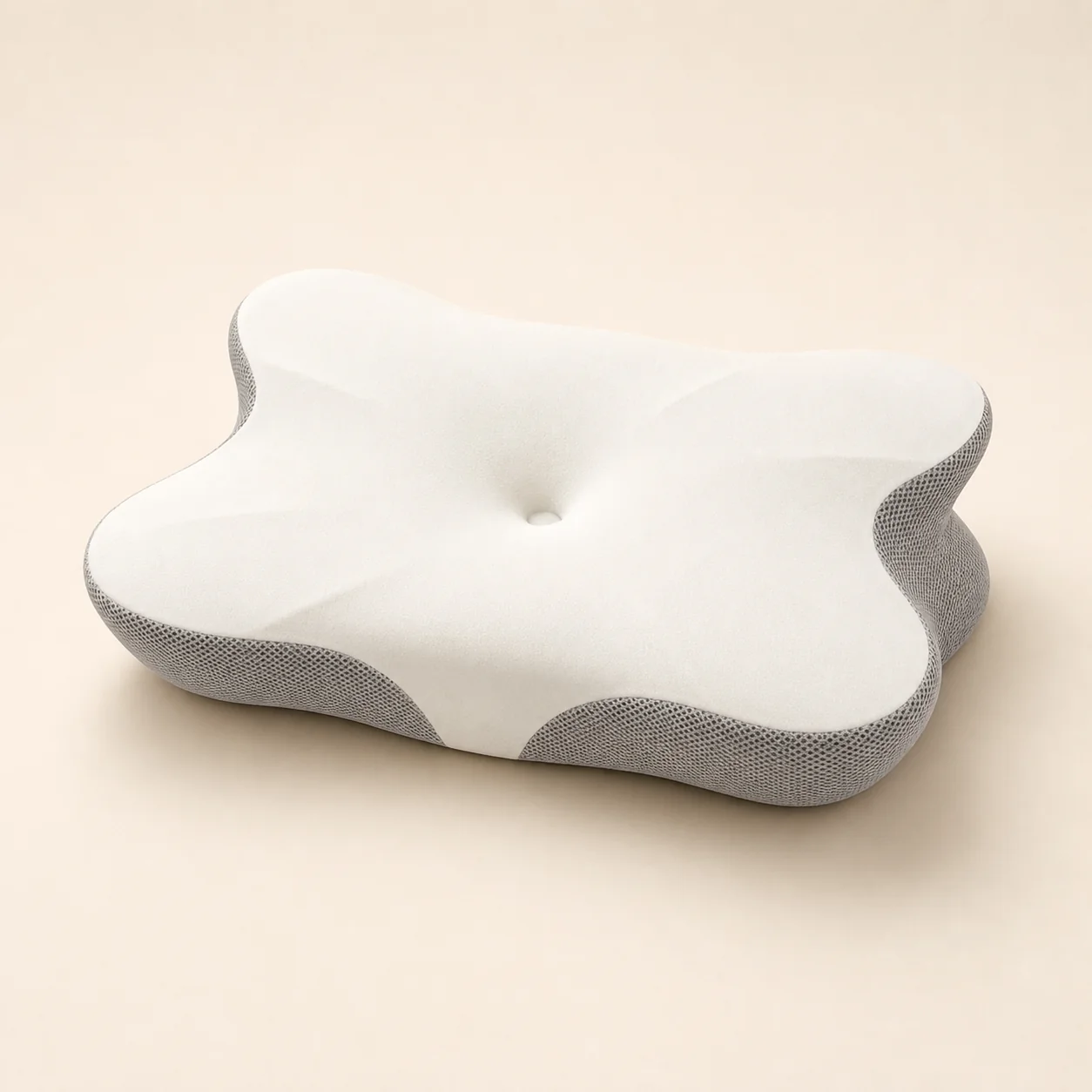
SensaRest develops fully custom memory foam pillows: your drawing or reference sample becomes an engineering brief, a foam and cover specification, a confirmed prototype and finally a repeatable production line. Brands fund the development in clear stages instead of paying for vague promises.
A custom pillow project is a staged process, not one purchase. The buyer first sends a dimensioned drawing, CAD file, reference sample or clear multi-angle photos, plus the target user, use position, height, firmness, weight, cover, expected quantity, destination and launch timing. SensaRest then runs engineering review, structural design, foam formula selection, cover and branding options, prototyping, modification rounds and sample approval before mass production. Fully new structures can need new tooling; SensaRest uses about USD 1,000 as an early development-budget reference for some new structures, but complexity, tooling, material sourcing and change requests move the real figure — so the commercial premise is confirmed before engineering begins. Existing-model adaptation costs far less because the mold and production route already exist. Each stage is approved in writing so a later change is priced separately instead of quietly changing the product.
A serious custom pillow request is judged by how complete the brief is. Drawings without dimensions, photos without a reference scale, or a shape without a target sleeper all force assumptions that show up later as sample rounds and cost. We start with the buyer's market information, then move to structure, foam, cover, prototype and approval stages — each with a named deliverable and a go/no-go checkpoint.
New molds make sense when the market has already validated the concept or when the shape is a real commercial differentiator. For a first market test, adapting an existing platform with tuned foam, cover and branding is usually faster and cheaper, and the learnings feed the custom mold later. Either route ends in the same control: an approved sample and a frozen specification that repeat orders must match.
These phrases combine broad product discovery with the manufacturer, OEM, supplier, private-label and wholesale modifiers used by commercial buyers. They are grouped here by relevance—not repeated across unrelated pages—so each landing page can answer one clear sourcing task.
| Development intent | Custom pillow, bespoke pillow and made-to-order pillow searches describe buyers with a drawing or reference product in hand. |
|---|---|
| Process language | Pillow prototyping, mold development, foam formulation and sample making are the stages buyers expect to see explained. |
| Cost language | Custom pillow cost and development fee searches need staged budgets, not a vague promise of a low price. |
| Sourcing language | Custom pillow manufacturer, OEM factory and ODM development partner are the commercial buying variants. |
Fully custom projects can start from a tooled platform for market tests, or move straight to new-mold development when the structure is the differentiator.
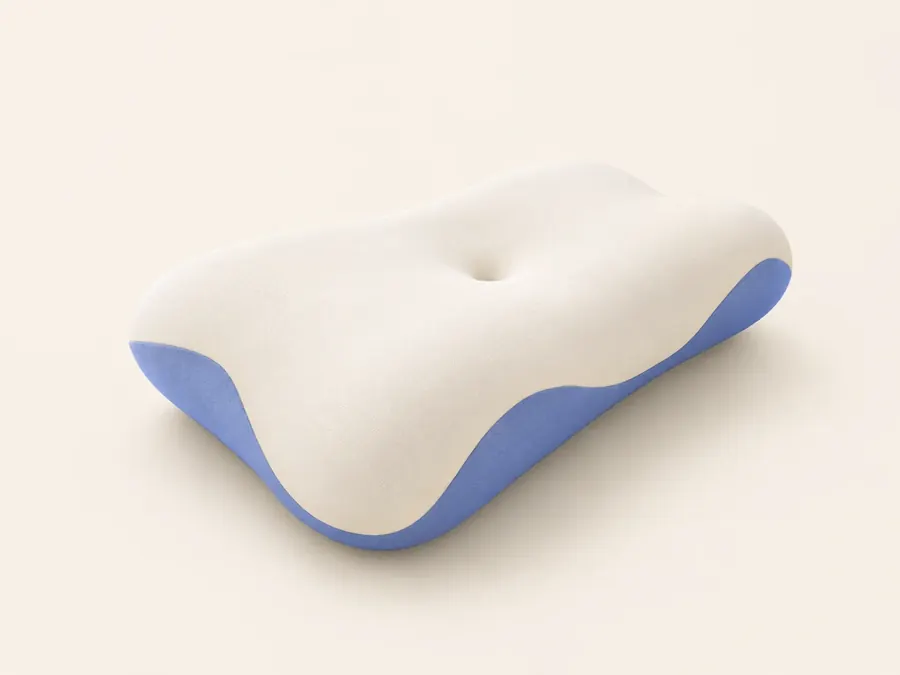
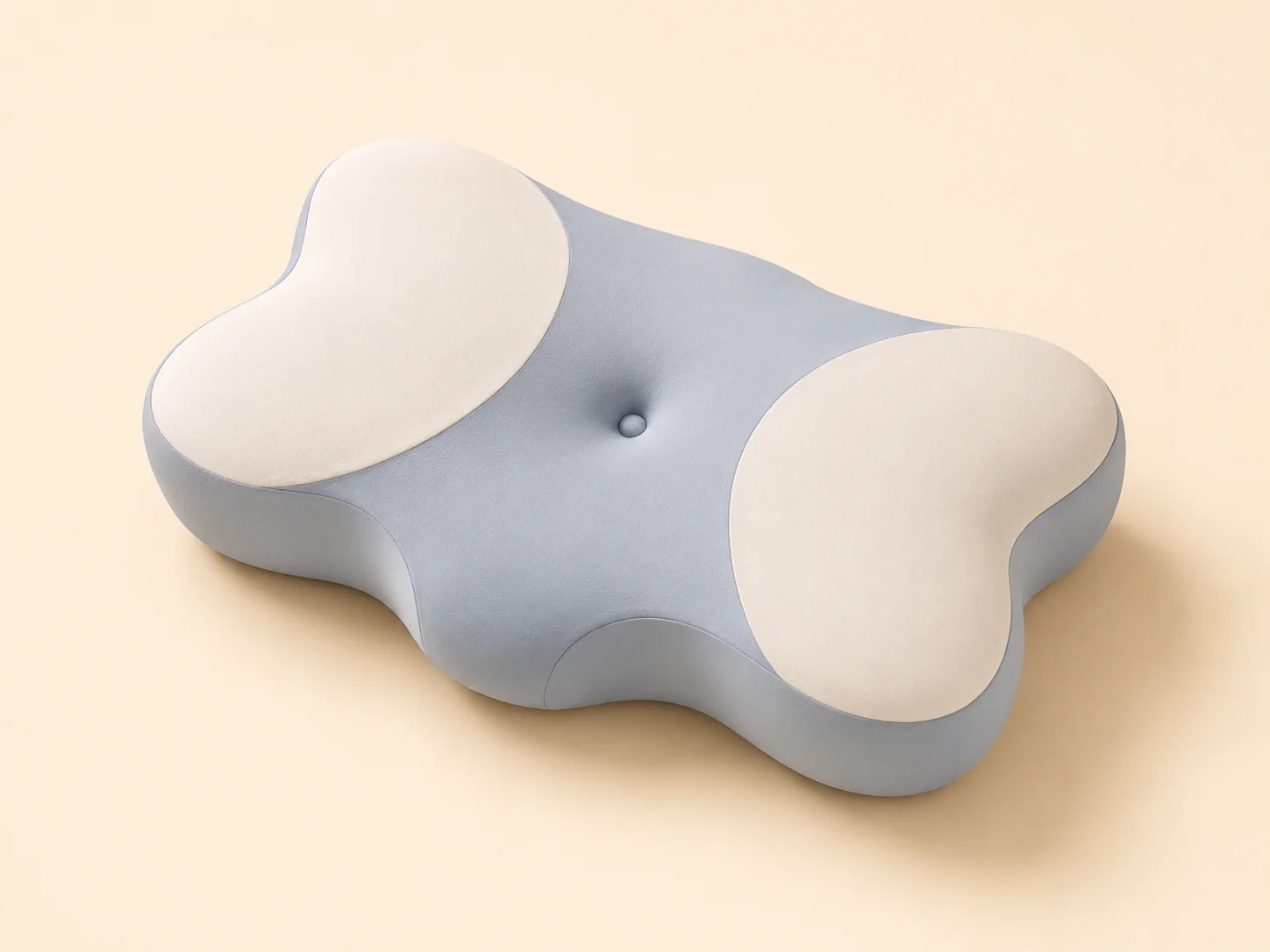
Samples should be approved against an agreed checklist. This keeps sales language, engineering decisions and production quality aligned.
| Project brief | Drawing, CAD, reference sample, target user, height, firmness, quantity and timeline |
|---|---|
| Structure & mold | Engineering review, 3D/structural modeling, mold development where required |
| Foam selection | Formula, density and response tuned to the brief; BASF/Huntsman/Dow raw materials |
| Cover & branding | Fabric, color, logo method, woven label, insert card and packaging |
| Approval gate | Prototype, modification rounds, physical sample approval, frozen specification |
A dimensioned drawing, CAD file or reference sample plus target user, use position, height, firmness, weight and cover. Multi-angle photos beat single glamour shots.
Expected quantity, destination, launch timing and whether the development budget range is acceptable. Engineering detail has little value when the commercial premise is not aligned.
Existing-model adaptation, proven core with private label, or fully new structure — each has a different cost, timing and risk profile.
Agree a written stage plan so later changes are priced separately instead of silently changing the product or the lead time.
Send your target market, posture or use case, preferred feel and quantity. We will recommend a platform and prepare a customized sample, usually within five working days.