ZT005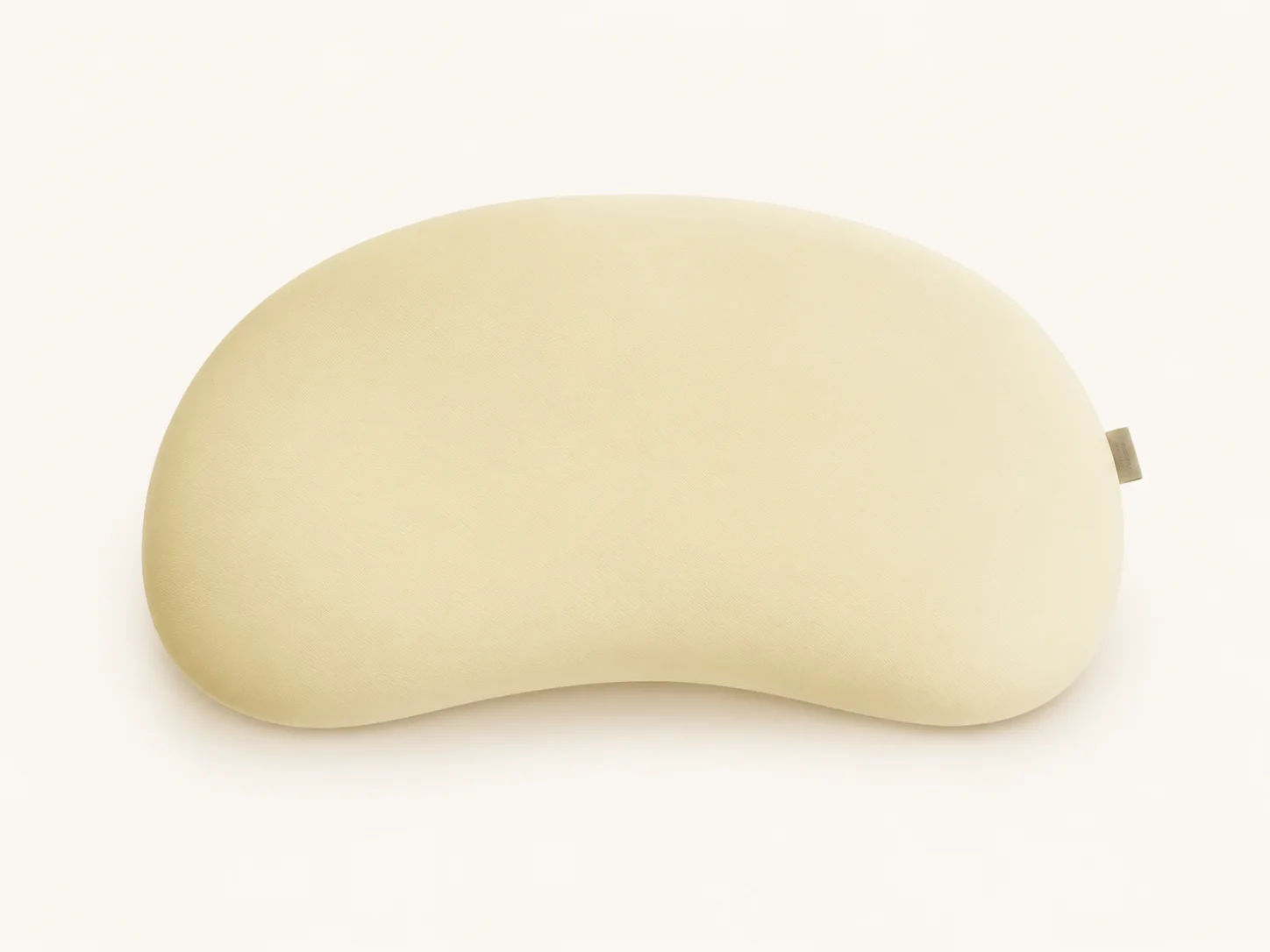
SensaRest develops custom pillow covers from fabric to finish: ice-silk nylon, milk silk, double-knit, jacquard and cooling fabrics in brand colors, with logo methods, zipper access and wash-care engineered for the channel. Cover fit is tested on the exact production core, not a foam block.
A custom pillow cover specification has four layers. Fabric: the textile's composition, weight, hand feel, color and any functional claim such as cool-to-touch, which needs the exact test evidence. Construction: pattern and seam design, zipper access and length, piping, lining and how the cover follows the pillow's contour zones. Branding: embroidery, printing or heat transfer, logo position and durability on the selected fabric. Care: removable design, washing instructions, colorfastness and how the cover performs after repeated washes. SensaRest develops covers against the exact production core, so fit is checked on the real contour rather than a flat pattern. Functional wording stays precise: a cool-touch fabric result does not mean the whole pillow keeps every sleeper cool, and textile claims are scoped to the fabric or finished cover that was tested. The approved cover becomes part of the frozen specification, so reorders keep the same hand feel, color and construction.
Ice-silk nylon gives an immediate cool hand and is widely used for premium and cooling ranges; milk silk is soft and smooth for soft-hand markets; double-knit and jacquard add structure and a more classic bedding look. Each choice changes cost, washability, colorfastness, printing or embroidery behavior and what can honestly be printed on the box.
Cover engineering also includes the invisible parts: zipper length and placement, seam strength under pillow load, lining to reduce foam show-through, and how the cover behaves after vacuum compression. A beautiful fabric that wrinkles badly out of a roll pack or shows foam texture through a light color is a finished-product defect, so SensaRest tests the complete assembly before artwork approval.
These phrases combine broad product discovery with the manufacturer, OEM, supplier, private-label and wholesale modifiers used by commercial buyers. They are grouped here by relevance—not repeated across unrelated pages—so each landing page can answer one clear sourcing task.
| Fabric intent | Ice silk pillow, cooling pillow cover and washable pillow cover searches describe hand-feel and care decisions. |
|---|---|
| Construction language | Pillow cover with zipper, removable pillow cover and knitted pillow fabric are construction questions. |
| Evidence language | Cool-touch fabric claims stay scoped to the tested textile; whole-pillow wording needs separate evidence. |
| Sourcing language | Custom pillow cover manufacturer, OEM pillow fabric and private label cover supplier are commercial variants. |
Platforms with milk-silk, ice-silk and double-knit cover routes that show how fabric changes the product story.
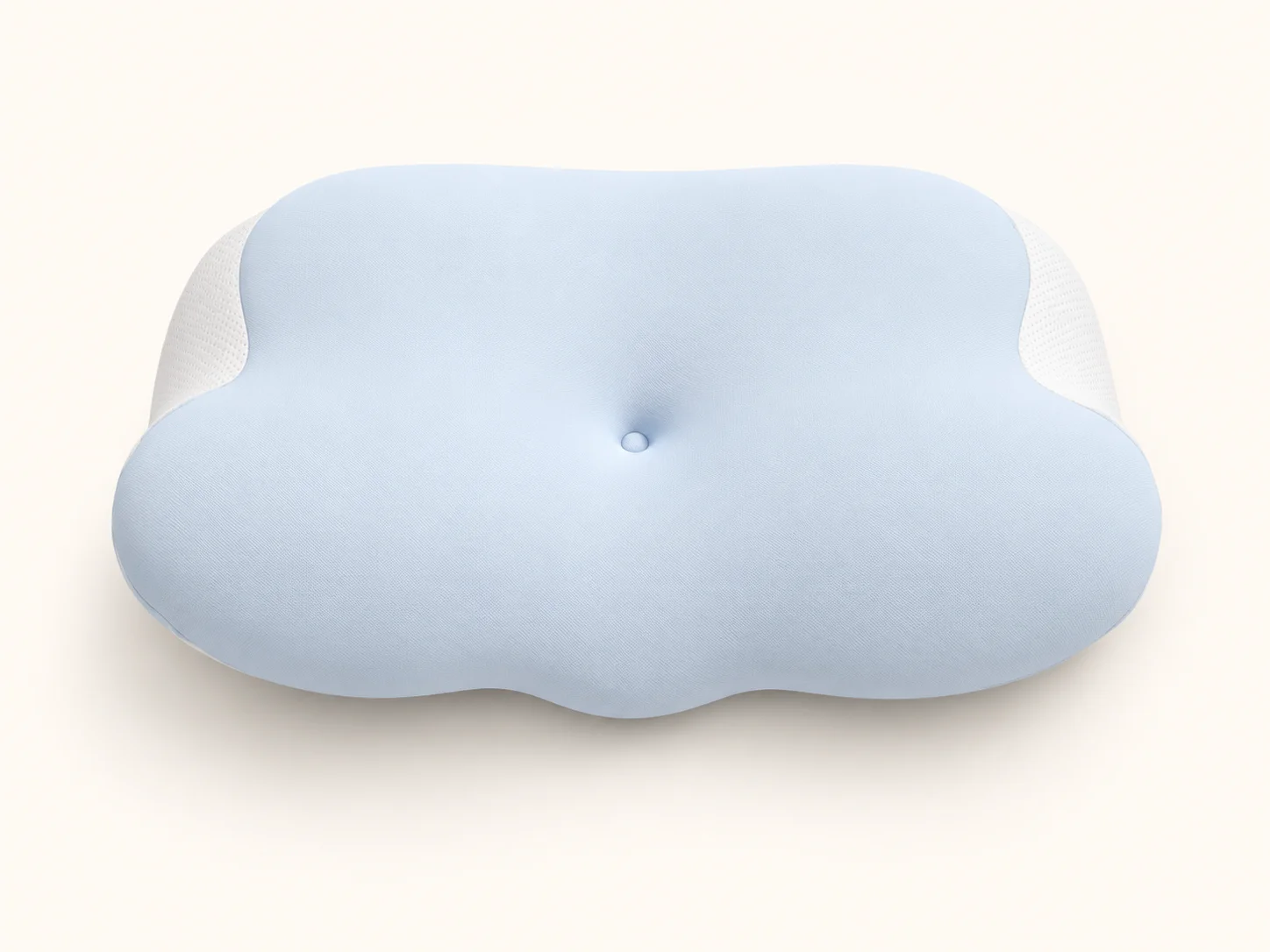
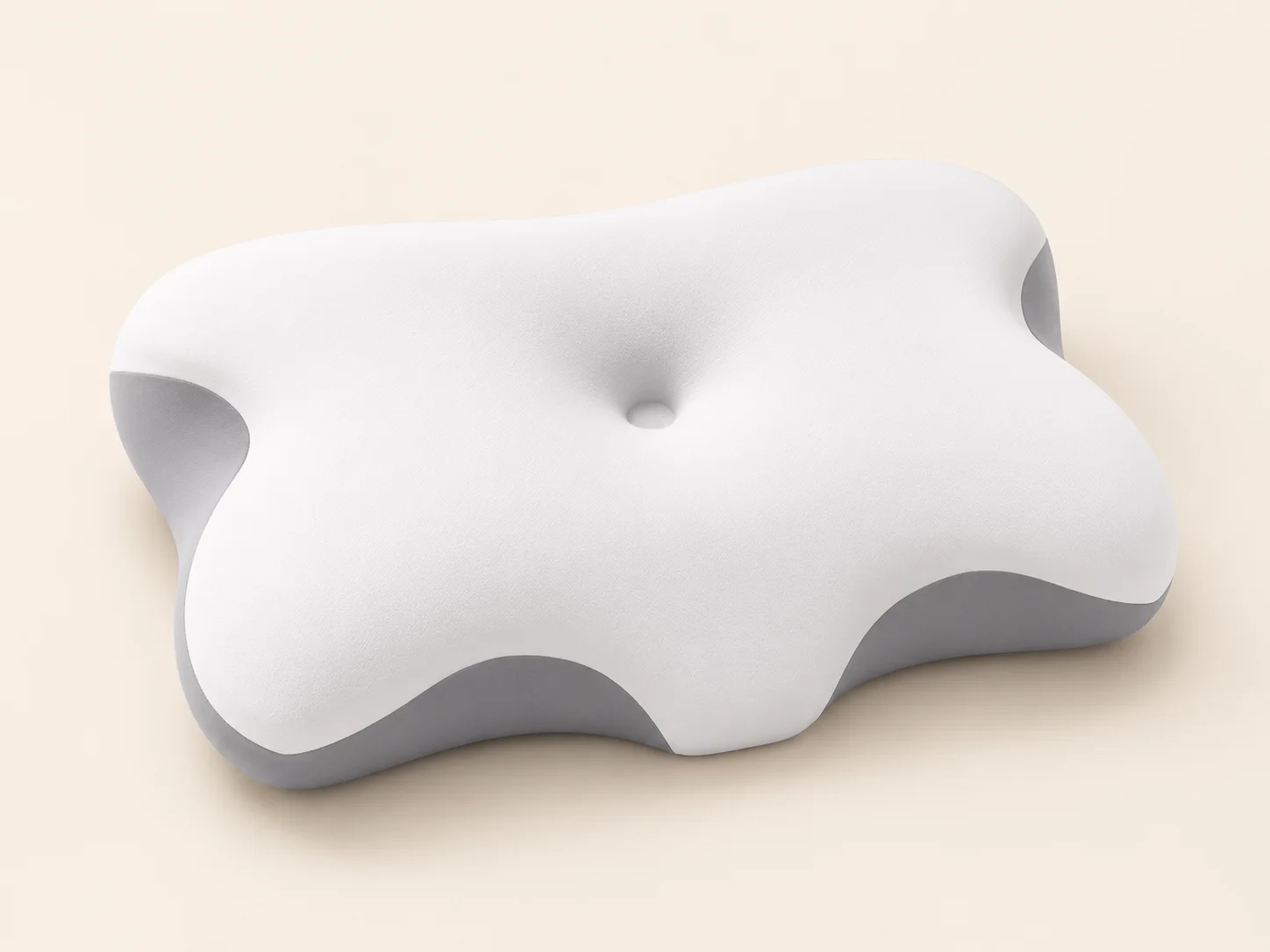
Samples should be approved against an agreed checklist. This keeps sales language, engineering decisions and production quality aligned.
| Fabric routes | Ice-silk nylon, milk silk, double-knit, jacquard or specified textile |
|---|---|
| Hand feel | Cool-touch, soft-smooth or structured, matched to market preference |
| Construction | Pattern, seams, zipper access, piping and anti-show-through lining |
| Branding | Embroidery, print or heat transfer tested on the actual fabric |
| Care & claims | Wash instructions, colorfastness and scoped fabric evidence |
Fit, zipper path and seam loading are checked on the exact contour, not a flat pattern or substitute foam.
A cool-touch or antibacterial fabric result covers the tested textile; whole-pillow wording needs its own evidence.
Approve wash instructions, colorfastness and post-wash hand feel with the final fabric and trims.
Fabric identity, color reference, logo file and construction are frozen so reorders match the approved sample.
Send your target market, posture or use case, preferred feel and quantity. We will recommend a platform and prepare a customized sample, usually within five working days.