JZ003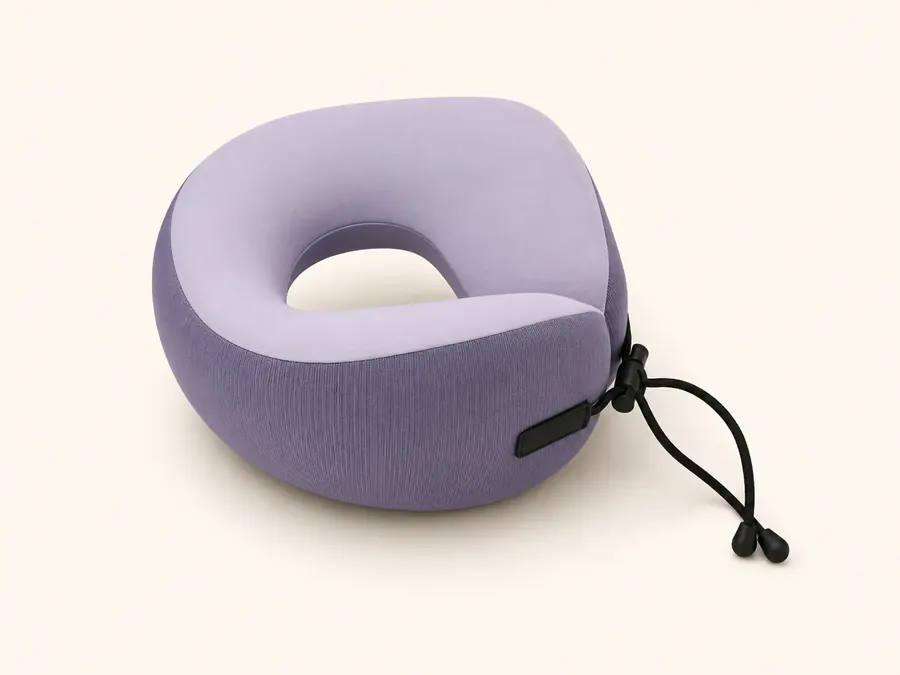
SensaRest develops custom packaging for memory foam pillows as part of the product, not an afterthought: vacuum-compressed roll packs for parcel channels, color boxes with insert cards for retail, and export cartons rated for the actual route. Pack size, recovery and presentation are tested together with the pillow.
An OEM pillow packaging program should be specified around the channel, not the pillow alone. Marketplace sellers usually need a vacuum-compressed roll pack that recovers quickly and survives parcel handling; retail brands need color boxes, insert cards and shrink wrap that present the product and protect it in transit; hotels and gifting programs need standardized cartons, washable-cover instructions and repeatable presentation. SensaRest develops the complete unit: inner bag and seal, compression ratio, recovery target, box structure and artwork, insert card copy, carton marks and pallet planning. Compression testing follows the intended route — a pillow that recovers on a desk can still fail after two weeks in a container — so package integrity and foam recovery are checked together on the exact production pack. Channel wording stays honest: cooling, washability and material statements on the box must match the product evidence file.
Packaging failures cost more than the box. A pillow that arrives deformed, a color box that crushes in an export carton, or a vacuum pack that leaks air turns a good product into a return. SensaRest treats packaging as an engineering task with measurable acceptance: compression ratio, recovery time, seal integrity, box compression strength, carton cube and gross weight.
Because the same pillow can sell through marketplace, retail and hospitality channels, the packaging brief should name the channel first. Parcel-ready packs are smaller and lighter; retail boxes are heavier but carry the brand; hotel cartons optimize replenishment and storage. Each route has different cost, cube and presentation trade-offs, which are quoted and tested as one unit.
These phrases combine broad product discovery with the manufacturer, OEM, supplier, private-label and wholesale modifiers used by commercial buyers. They are grouped here by relevance—not repeated across unrelated pages—so each landing page can answer one clear sourcing task.
| Channel intent | Vacuum packed pillow, roll pack pillow and pillow gift box searches describe packaging-led buying decisions. |
|---|---|
| Logistics language | Pillow shipping carton, pallet cube and parcel-ready pack are the engineering variables behind landed cost. |
| Recovery language | Pillow recovery after compression and unboxing experience are the checks buyers forget until returns arrive. |
| Sourcing language | Custom pillow packaging, OEM pillow box and retail pack supplier are commercial buying variants. |
Portable, retail and dual-core platforms that show how different channels need different pack engineering.
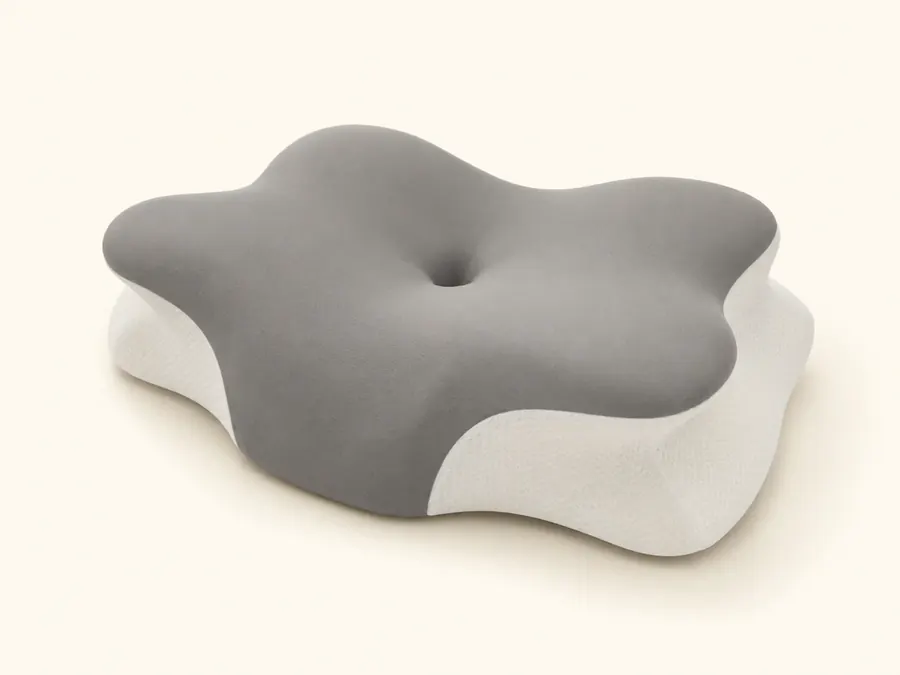
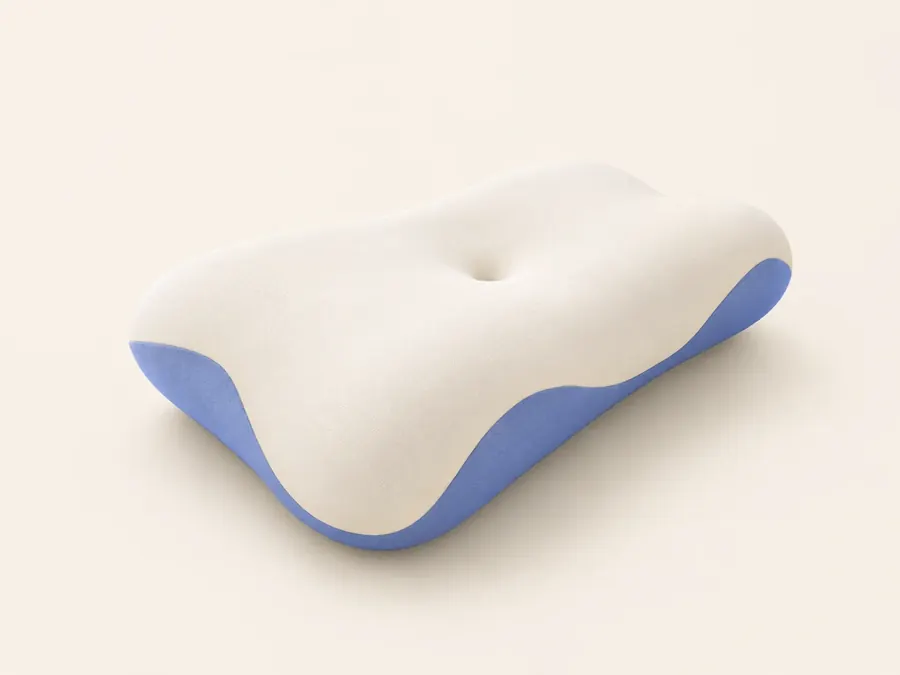
Samples should be approved against an agreed checklist. This keeps sales language, engineering decisions and production quality aligned.
| Pack route | Parcel-ready roll pack, retail color box or export carton |
|---|---|
| Compression | Ratio and dwell time set for the selected foam and route |
| Recovery target | Height and feel checked after unpacking, not only in the lab |
| Box & insert | Structure, artwork, insert card copy and shrink wrap |
| Carton & pallet | Cube, gross weight, marks and pallet plan for the destination |
Marketplace parcel, retail shelf, hotel replenishment or gifting each changes pack size, weight and presentation.
Approval should use the exact inner bag, compression ratio, box and carton that will ship — not a hand-made prototype pack.
Agree measured recovery after the intended compression cycle and define what happens when a batch falls short.
Every statement printed on packaging must match the product evidence file for the exact SKU and market.
Send your target market, posture or use case, preferred feel and quantity. We will recommend a platform and prepare a customized sample, usually within five working days.