YF012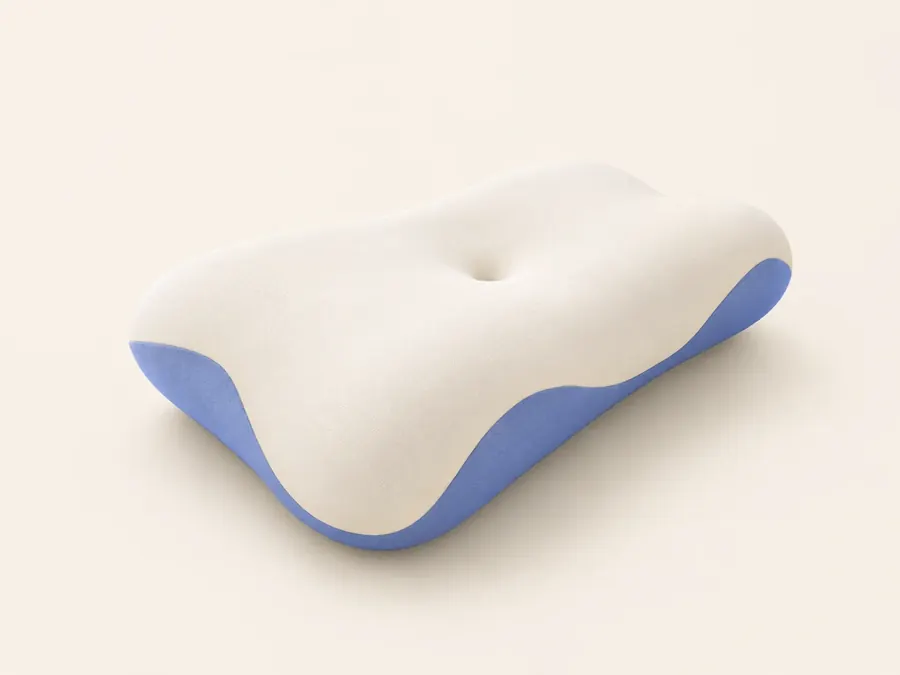
SensaRest helps OEM buyers select memory foam by application: density, firmness, support factor, rebound and odor profile are specified together so a pillow range gets the right core for each use — without paying for performance no customer can feel.
Density describes material mass per unit volume; firmness describes how the foam responds under load — they are related but not interchangeable. A pillow specification should name the target application first: sleep pillows prioritize contouring and support stability, travel pillows prioritize recovery after packing, lumbar cushions prioritize seated back support, and kids pillows need lighter-weight response. From there the buyer selects the density and firmness pairing, the formulation route (slow-rebound, Q-bounce or dual-core), and the measurable acceptance: loaded height, rebound time, compression recovery and odor after sealed shipping. SensaRest uses tier-1 BASF, Huntsman and Dow raw materials and confirms each order against the approved sample and frozen specification. Density choice also affects cost and weight — freight and landing cost per unit change with the core — so the right question is not which number is highest, but which specification delivers the intended feel at the intended landed cost.
Density is mass per volume — a material property that affects durability, recovery and cost. Firmness is a response measured under defined test conditions, and it can vary at the same density through formulation. Feel is what the customer experiences through the complete assembly: core, geometry, cover and loaded height. Keeping the three separate prevents the most common sourcing mistake: paying for density while the market actually needed firmness, or quoting firmness while the buyer actually needed a height change.
The application decides the pairing. A side-sleeper contour uses slow-rebound or Q-bounce with verified loaded height; a travel pillow uses fast recovery after packing; a lumbar cushion uses resilient support under seated load. SensaRest confirms the selection through samples, not only data sheets — density numbers describe the core, and the approved sample controls what ships.
These phrases combine broad product discovery with the manufacturer, OEM, supplier, private-label and wholesale modifiers used by commercial buyers. They are grouped here by relevance—not repeated across unrelated pages—so each landing page can answer one clear sourcing task.
| Material intent | Memory foam density, pillow foam firmness and 50D memory foam searches describe material-led buying questions. |
|---|---|
| Specification language | Density, firmness, support factor and rebound are separate variables that must be specified together. |
| Cost language | Foam weight drives freight; density options should be compared on landed cost per sellable unit. |
| Sourcing language | Memory foam supplier, OEM foam factory and pillow core manufacturer are commercial buying variants. |
Slow-rebound, Q-bounce and dual-core platforms that demonstrate how one factory serves different feel requirements.
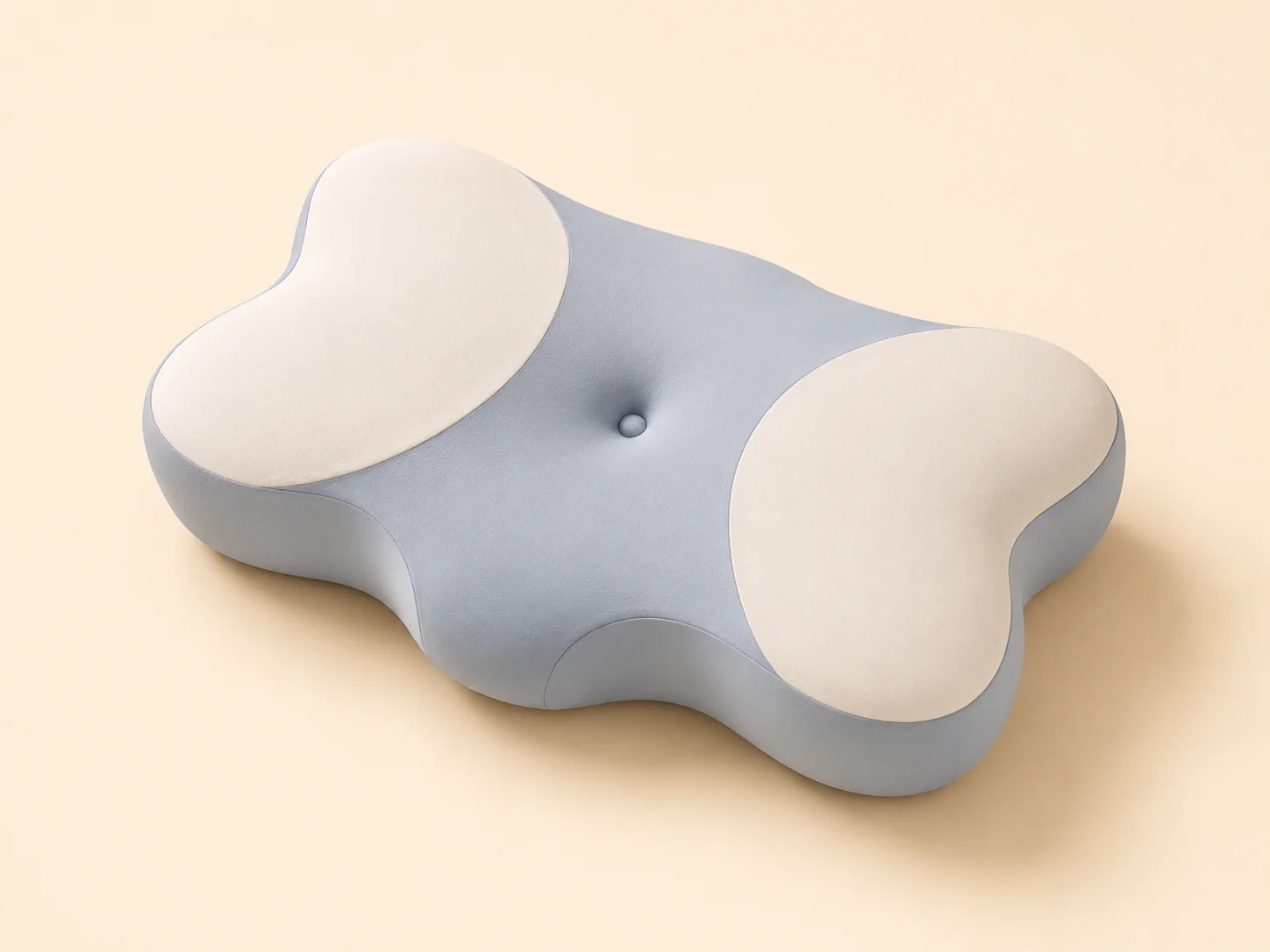
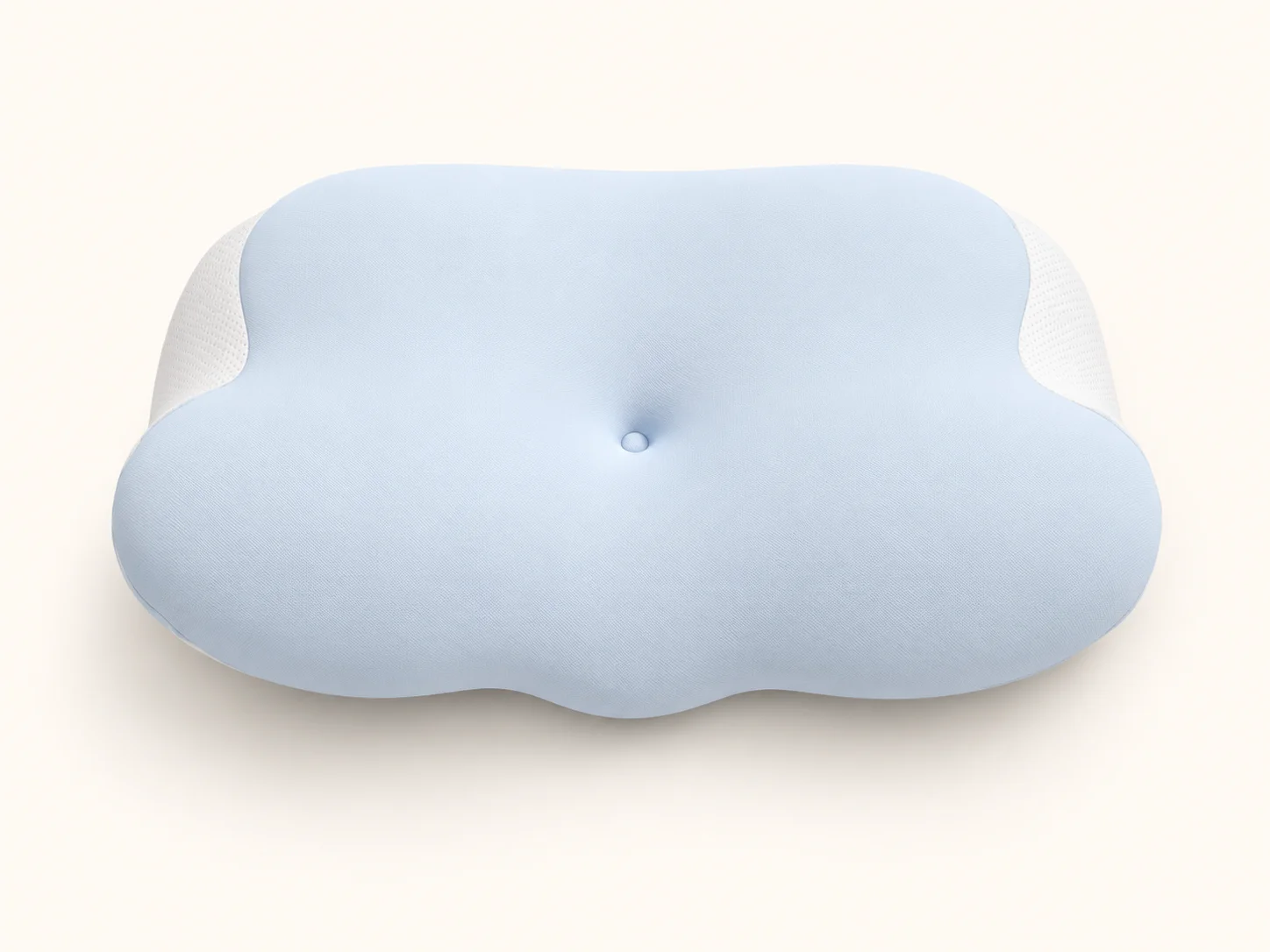
Samples should be approved against an agreed checklist. This keeps sales language, engineering decisions and production quality aligned.
| Density | Material mass per unit volume; affects durability, recovery and cost |
|---|---|
| Firmness | Response under defined test conditions; adjustable by formulation |
| Response route | Slow-rebound, Q-bounce, fast-rebound or dual-core stacking |
| Acceptance | Loaded height, rebound, compression recovery and odor check |
| Cost effect | Density changes core weight, freight and landed unit cost |
Sleep, travel, lumbar or kids use decides the response priority: contouring, recovery, support or light weight.
Request both the density and the firmness method in the quotation, and confirm the pairing with a physical sample.
Approve loaded height and rebound on the exact assembly, not just the foam data sheet.
Core weight changes freight per unit. Compare density options on landed cost per sellable unit, not ex-factory price alone.
Send your target market, posture or use case, preferred feel and quantity. We will recommend a platform and prepare a customized sample, usually within five working days.